What Tint Percent Is Legal in Idaho (2026)?
What tint percent is legal in
Idaho in 2026?
It is one of the first questions most drivers ask before they schedule an installation, and for good reason.
Window tint is measured by Visible Light Transmission, or VLT, and many people accidentally choose a shade that sounds light enough but actually tests darker once it is on the glass. That misunderstanding can lead to citations, a fix-it requirement, or a failed inspection if an officer or inspector measures the windows and the numbers do not meet the legal
window tint Idaho limits. The goal for most Nampa, ID vehicle owners is not to break the rules. It is to balance comfort, glare reduction, heat rejection, and privacy while staying fully compliant with
Idaho tint laws 2026 . This guide explains how tint percentages work, what is allowed on different vehicle types, how
windshield tint rules apply, and how
ShadowFilms Window Tinting helps drivers choose LLumar Auto Window Tint Idaho solutions that deliver high performance without creating legal headaches.
Table of Contents
- 1. How VLT percentages work and how tint is measured
- 2. Idaho legal tint limits for sedans, SUVs, and trucks
- 3. Windshield tint rules and visor strip allowances
- 4. Rear window and back glass rules in Idaho
- 5. Medical exemptions and documentation requirements
- 6. Penalties and enforcement for illegal tint
- 7. Ceramic tint for heat rejection while staying compliant
- 8. FAQ: Idaho tint laws 2026
- 9. Conclusion and next steps
1. How VLT percentages work and how tint darkness is measured
When someone says they want “20 percent tint” or “35 percent tint,” they are talking about Visible Light Transmission (VLT). VLT is the percent of visible light that can pass through the window system. Higher VLT means the window is lighter and allows more light in. Lower VLT means the window is darker and allows less light in. A helpful way to remember it is that the number is what gets through, not what gets blocked.
Why VLT can be confusing: Vehicle glass often has some factory tint, especially on rear privacy glass for SUVs and trucks. If you install film on top of already tinted glass, the final VLT can be lower than the film rating. For example, installing a 35 percent film on glass that already measures around 70 percent does not equal 35 percent overall. The numbers combine, and the final reading can be closer to 25 percent depending on the glass and the film. That is why choosing “a safe number” without measuring can lead to a surprise reading.
How VLT is measured in the real world: Most law enforcement uses a tint meter that clamps on the window and measures light transmission through the glass and film together. This means the legal tint percent Idaho limit is based on the final installed result, not the box label. The meter is influenced by factors like glass thickness, angle, and dirt or moisture, so
professional installation and curing matter. A high quality shop will discuss your target VLT and the practical differences between a film rating and a final meter reading.
Quick reference chart for common shades:
| Tint Percentage (VLT) | Shade Level | Description |
|---|---|---|
| 70% VLT | Very Light | Often used for clear ceramic heat rejection and sometimes for legal windshield tint where allowed. |
| 50% VLT | Light | Mild shade that reduces glare while keeping windows fairly bright. |
| 35% VLT | Medium | Popular choice that adds privacy while maintaining good night visibility. |
| 20% VLT | Dark | Stronger privacy and sun protection, usually allowed only on certain rear windows. |
| 5% VLT | Very Dark (Limo Tint) | Extremely dark shade, commonly restricted and may cause citations on front windows. |
Diagram in words: how VLT stacks
Think of light as 100 points. If your glass passes 80 points, it is 80 percent VLT. If your film passes 50 points, it is 50 percent VLT. When stacked, you do not keep 50 points. You keep 80 percent of the 50 percent that makes it through, which is 40 points. The final result can be around 40 percent VLT. Real readings vary, but the principle is the same. This is why ShadowFilms Window Tinting recommends measuring or choosing proven compliant installation scenarios instead of guessing.
2. Idaho legal tint limits for sedans, SUVs, and trucks
Idaho tint laws 2026 apply differently depending on your vehicle type and which windows you are tinting. The most important concept is that
front side windows are usually the strictest. Idaho may allow darker tint on rear windows for certain vehicle categories. Because the exact statute language and enforcement practices can be nuanced, drivers should always confirm current rules at the time of installation. If you are in
Nampa, ID
or the Treasure Valley, ShadowFilms Window Tinting can help you choose a legal window tint Idaho configuration based on your vehicle and goals.
Most common compliance goal for daily drivers: Choose a legal tint percent Idaho setup for front side windows first, then decide how dark you want the rear while still maintaining safe visibility and a consistent look.
Practical comparison list by window position:
- Front side windows (driver and passenger) : highest risk for enforcement. Choose a shade and film type that is proven to meter legally.
- Rear side windows : often more flexible. SUVs and trucks sometimes allow darker rear windows than sedans.
- Rear window and back glass : typically similar to rear side windows, but some vehicles have defroster lines or antenna elements that make installation technique important.
Compliant installation scenarios (examples):
- Scenario A: Sedan, “comfort first” : front side windows in a lighter compliant shade, rear windows slightly darker for glare reduction and heat control, with a legal windshield visor strip where allowed.
- Scenario B: SUV or truck, “privacy and family comfort” : front side windows kept compliant, rear privacy glass enhanced with a film that improves heat rejection without pushing the final VLT into a problem range.
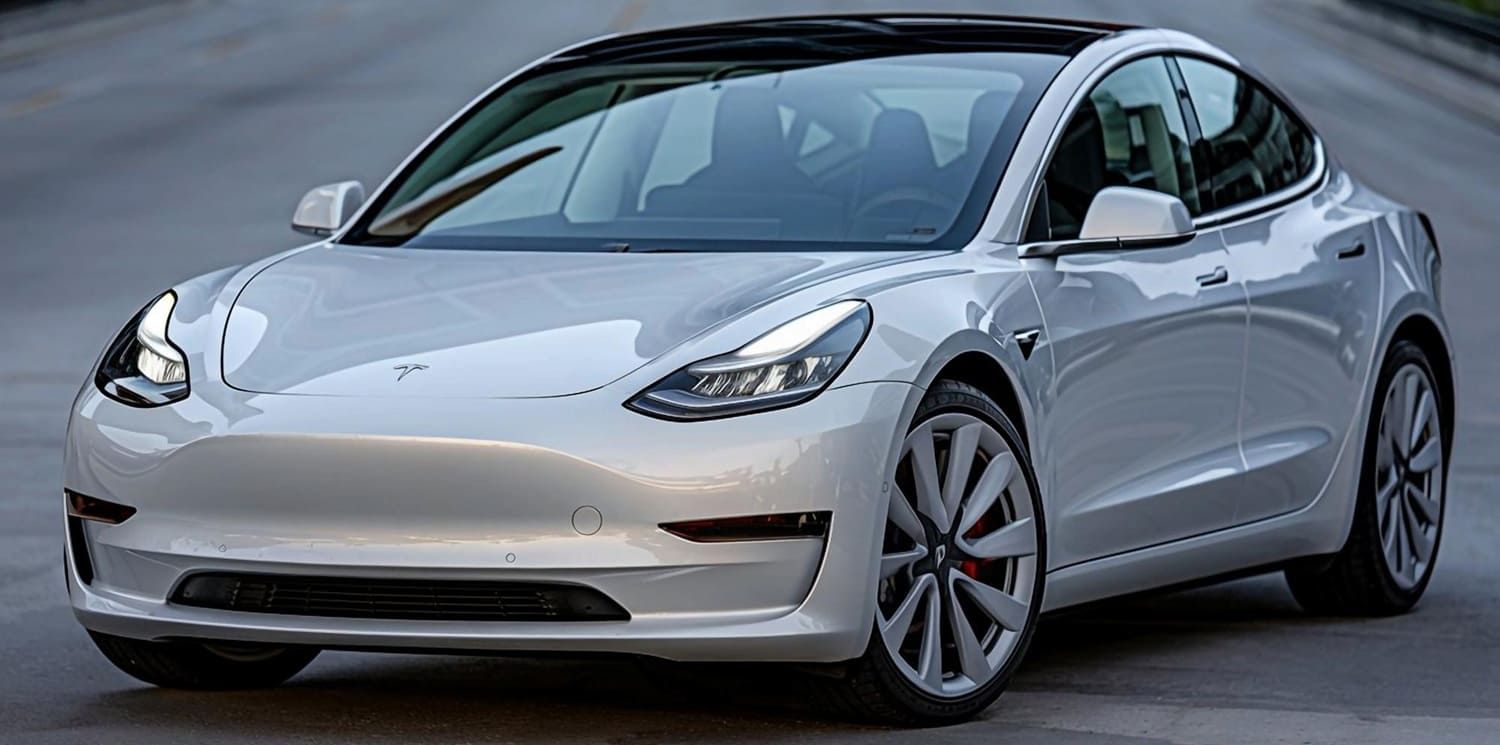
- Scenario C: EV or Tesla, “heat rejection without darkness” : use modern
ceramic film at higher VLT levels to reduce heat while keeping the appearance lighter and more compliant.
Local intent keywords that matter: In practice, many drivers search for “Nampa ID window tint,” “legal tint percent Idaho,” and “LLumar Auto Window Tint Idaho” because they want a shop that understands both the law and the performance tradeoffs. A compliant job is not just about staying out of trouble. It also protects visibility, reduces glare for highway driving, and helps keep insurance and inspection issues to a minimum.
3. Windshield tint rules and visor strip allowances
Windshield tint is where many drivers get the most confused, and it is also where mistakes can become the most obvious to law enforcement. In Idaho, the windshield is generally the most restricted piece of glass. Many installations focus on two options that are commonly discussed: a visor strip at the top or a clear or high VLT ceramic film intended to reduce heat while looking nearly transparent. Whether and how these are allowed depends on the current interpretation of Idaho tint laws 2026.
What is a visor strip? A visor strip is tint applied to the top portion of the windshield, designed to reduce sun glare. It is sometimes described by its depth in inches or by the line it cannot cross, such as the AS-1 line if your windshield has one. Drivers like visor strips because they make morning and evening sun more manageable on I-84 and local roads around Nampa, Meridian, Caldwell, and Boise.
What drivers should know before tinting the windshield:
- Windshield rules tend to be enforced more strictly because visibility is a safety issue.
- Even “clear” film can become an issue if it is installed incorrectly or if it creates haze, distortion, or edge bubbling.
- Aftermarket film on the full windshield is a higher attention modification, so it should be done with top-tier materials and craftsmanship.
Compliant approach that still helps with comfort: Many Idaho drivers choose a high-VLT ceramic windshield solution for heat rejection or a legal visor strip, then focus on legal window tint Idaho compliance on the front side windows. This usually delivers the biggest comfort improvement without creating a high enforcement risk.
Recommended best practice: Ask your installer to explain exactly what will be tinted on the windshield, how it aligns with Idaho rules, and how the finished work will look from both inside and outside. ShadowFilms Window Tinting uses LLumar Auto Window Tint products engineered for optical clarity, which is especially important on windshields because any distortion can be distracting at night.
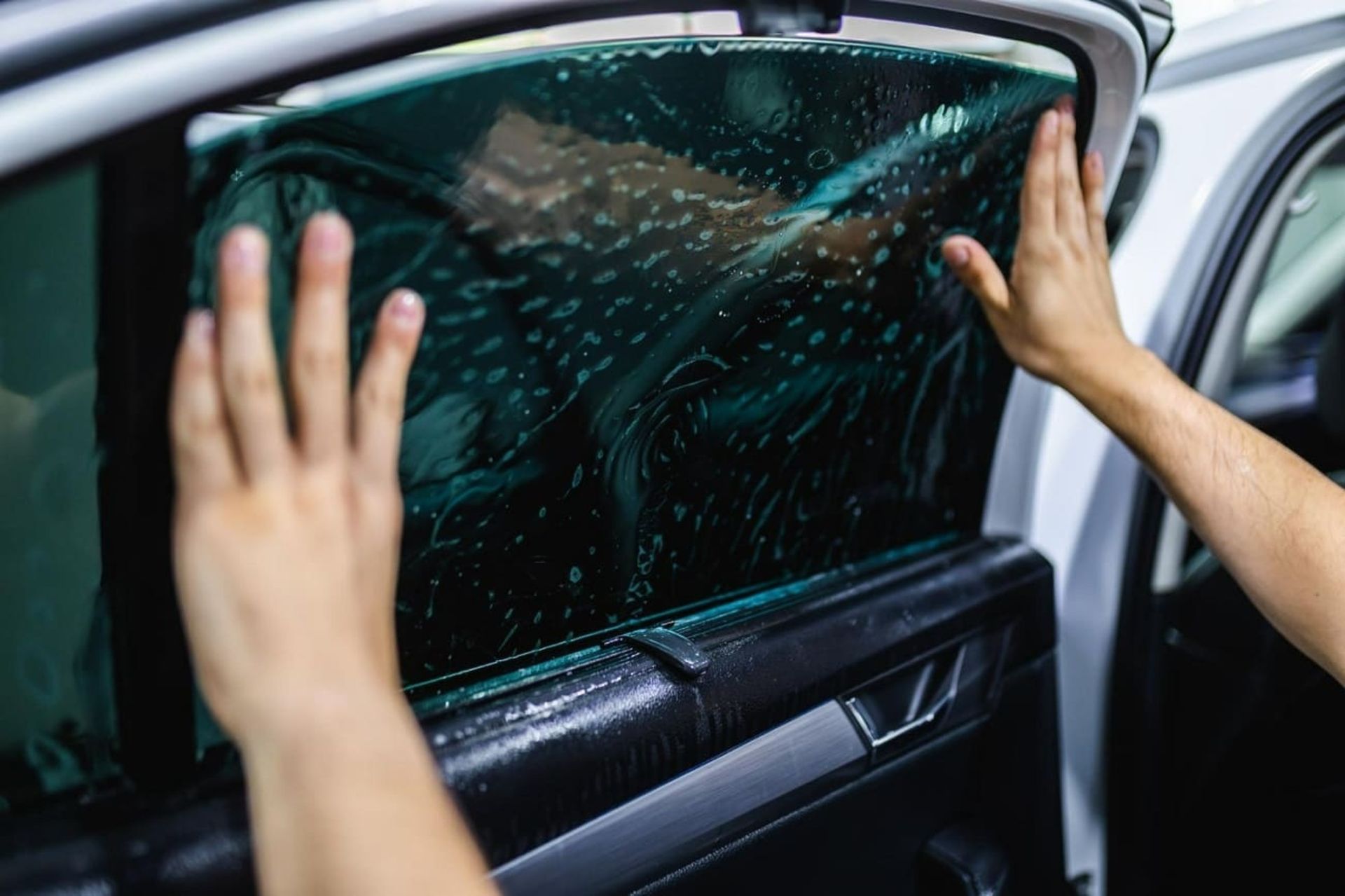
4. Rear window and back glass tint regulations in Idaho
Rear glass tint is where many drivers want the biggest privacy gain, especially families, rideshare drivers, and anyone who parks outdoors. In Idaho, rear windows are often treated differently than the front side windows, and vehicle type can matter. This is why two people can both be “legal” with different rear tint percentages depending on whether they drive a sedan or an SUV.
Rear tint goals commonly requested in Nampa, ID:
- Privacy for cargo and valuables : helpful for trucks and SUVs used for work gear, tools, or sports equipment.
- Child comfort : rear shades that reduce glare and heat for passengers.
- Balanced appearance : match the look of factory privacy glass while improving performance.
Shade comparison, 20 percent vs 35 percent:
- 35 percent tint : often looks moderately dark in daylight, but still allows good visibility at night. Many drivers choose it for a clean, uniform look without going “too dark.”
- 20 percent tint : noticeably darker, stronger privacy, and can make nighttime backing and lane changes more dependent on mirrors and backup cameras.
Compliant rear tint tips:
- Do not assume factory privacy glass equals legal film tint. It can measure differently.
- Consider rear visibility in winter storms and low light. Idaho driving conditions can change fast.
- If you frequently drive rural roads or poorly lit areas, consider a slightly lighter rear shade even if darker is allowed.
Because rear glass and back glass often include defroster lines, professional film selection and installation technique matters. High quality ceramic films can deliver major heat rejection benefits without requiring extremely dark shades. That is one reason many drivers choose LLumar Auto Window Tint Idaho products installed by ShadowFilms Window Tinting.
5. Medical exemptions and documentation requirements
Some drivers have legitimate medical reasons that make additional sun protection necessary. A medical exemption can allow for darker tint than would otherwise be permitted, but it generally requires proper documentation and may have specific conditions.
Common reasons drivers seek a medical exemption:
- Medical conditions aggravated by UV exposure
- Extreme light sensitivity
- Skin-related conditions requiring enhanced protection
Documentation best practices:
- Obtain written documentation from a licensed medical provider.
- Keep a copy in the vehicle in case of a traffic stop.
- Confirm whether a specific form, permit, or registration notation is required in Idaho.
Important compliance note: Even with a medical exemption, installation quality matters. Poor film, haze, or bubbling can still create safety concerns and draw attention. A professional installer can help you select a configuration that meets your medical needs while minimizing visibility risks. ShadowFilms Window Tinting can also help drivers understand realistic expectations for heat rejection and glare reduction using LLumar Auto Window Tint products at compliant VLT levels whenever possible.
6. Penalties and enforcement considerations for illegal tint
Enforcement is one of the main reasons people search for “Idaho tint laws 2026” and “legal window tint Idaho.” The cost of getting it wrong is not only the ticket. It is the time, hassle, and replacement expense if you have to remove and redo the film.
What can happen with illegal tint:
- Traffic citation : officers may issue a citation if the tint appears too dark or if a meter reading fails the legal limit.
- Fix-it requirement : you may be required to remove or replace the tint and show proof of correction.
- Increased scrutiny : once a vehicle is known to have illegal tint, it may be more likely to be checked again.
Why enforcement varies: Tint enforcement can vary by jurisdiction, officer discretion, and local focus. Urban areas may see more meter use. Rural stops may rely on visual estimation. Either way, choosing a shade that is clearly compliant is the safest strategy for most drivers.
Inspection considerations: If your vehicle needs inspection under a specific program or you are trying to avoid issues during a sale or transfer, tint that is too dark can create delays. Even if a specific inspection lane is not focused on tint, a traffic stop is not the time to learn that your film meters darker than you expected.
Best practice for compliance: Work with a local shop that understands how different films meter once installed and can recommend legal tint percent Idaho options based on your actual vehicle glass. ShadowFilms Window Tinting serves Nampa and surrounding Idaho communities and focuses on compliant installations that still deliver meaningful comfort improvements.
7. How modern ceramic window tint improves heat rejection while remaining compliant
Many drivers think the only way to get cooler is to go darker. That was more true years ago with basic dyed films. Today, ceramic window tint changes the equation. Ceramic films can reject infrared heat more effectively at lighter VLT levels, which helps drivers stay within legal window tint Idaho limits and still enjoy strong comfort gains.
Why ceramic film matters for Idaho drivers:
- Heat rejection in summer : hot interior temperatures are common in the Treasure Valley during peak summer months.
- Glare reduction in winter : low-angle sun and snow glare can be intense, especially during commute hours.
- High visibility at night : a lighter ceramic option can keep the cabin comfortable without compromising night driving visibility.
Performance without the “too dark” look: A high quality ceramic film at 50 percent or even 70 percent VLT can still provide meaningful UV protection and
heat control. This is ideal for drivers who want compliance first, especially on front side windows. It is also a popular approach for EV owners and Tesla drivers focused on thermal comfort and cabin protection.
LLumar Auto Window Tint Idaho, installed by ShadowFilms Window Tinting: ShadowFilms Window Tinting installs LLumar Auto Window Tint products engineered for superior heat rejection, UV protection, and optical clarity. The right LLumar ceramic option can help you reduce heat and glare while staying aligned with Idaho tint laws 2026.
Compliant selection checklist:
- Start with the legal limit for the front side windows and pick a film that reliably meters compliant.
- Choose rear shades based on privacy needs and night visibility comfort, not just appearance.
- Use ceramic technology to get performance at lighter VLT levels.
- Avoid low quality film that can fade, turn purple, or create haze.
8. FAQ: Idaho tint laws 2026
How are tint percentages measured?
Tint percentage usually refers to VLT. A tint meter measures the light that passes through the glass and film together, which is what matters for enforcement.
What does 35 percent tint mean?
It means the window system allows about 35 percent of visible light through. It is a medium shade and is often chosen for a balance of comfort and visibility.
Is 20 percent tint legal in Idaho?
It depends on the window position and vehicle type. Many drivers use 20 percent on rear windows where allowed, but front windows are often more restricted. Confirm the current legal tint percent Idaho limits for your vehicle.
Can SUVs have darker rear windows than sedans in Idaho?
Often, yes. Many states allow darker rear tint on multi-purpose vehicles. Always verify Idaho tint laws 2026 for your specific vehicle classification.
Is windshield tint legal in Idaho?
Windshield tint is typically restricted. A visor strip at the top may be allowed under specific rules, and high VLT ceramic film is sometimes discussed for heat control. Verify current windshield tint rules before installation.
How tall can the windshield visor strip be?
This depends on Idaho regulations and your windshield markings. Some windshields have an AS-1 line used as a reference. Ask your installer to confirm a compliant strip height.
Will illegal tint fail an inspection?
Inspection practices vary by program and location. Even if an inspection does not check tint directly, illegal tint can lead to enforcement issues during normal driving.
Does factory privacy glass count as window tint?
Factory privacy glass is tinted glass, not film. A meter reads the final VLT, and adding film on top can push it darker than expected. Measure before choosing a shade.
How do I choose a compliant shade that still reduces heat and glare?
Use ceramic technology at a higher VLT and keep front windows clearly within legal window tint Idaho limits. ShadowFilms Window Tinting can recommend LLumar Auto Window Tint Idaho options that prioritize performance and compliance.
What is the best way to avoid a tint ticket in Idaho?
Choose proven compliant VLT levels for the front side windows, avoid risky windshield tinting, and use a reputable installer that understands how film meters after installation.
9. Conclusion and CTA
For Idaho drivers in 2026, the safest way to answer “what tint percent is legal in Idaho” is to think in terms of VLT, vehicle type, and window position. Front side windows are usually the most restricted and the most enforced. Rear windows may allow more flexibility, especially on SUVs and trucks, but factory privacy glass and stacked tint can change the final meter reading. Windshield tint rules deserve extra caution because visibility is a major safety issue.
If you want comfort, glare reduction, and heat rejection without legal risk, modern ceramic film is often the best path. ShadowFilms Window Tinting serves Nampa, ID and surrounding Idaho communities with professional installation of LLumar Auto Window Tint products engineered for superior heat rejection, UV protection, and optical clarity while helping drivers remain fully compliant with Idaho tint laws 2026.
Ready to choose a legal, high-performance tint?
Contact
ShadowFilms Window Tinting for a
free estimate and a compliant recommendation tailored to your vehicle, your driving habits, and your comfort goals.