Is Ceramic Tint Worth It in 2026? Cost vs Comfort
If you are asking whether ceramic tint is worth it in 2026, the short answer is that it often is for drivers who care about comfort, heat reduction, interior protection, and long term value. Ceramic tint costs more upfront than dyed or metallized film, and that higher price usually reflects better heat rejection, stronger UV protection, and better long term durability. That is why many vehicle owners compare the extra cost against daily comfort and ask whether the upgrade truly pays off. In Nampa, Boise, Meridian, and across Canyon County and Ada County, summer heat, sun exposure, and long drives make that question even more relevant. Ceramic tint can be a smart choice for many drivers, but it is not automatically the right fit for everyone. The best decision depends on your climate, budget, driving habits, and how long you plan to keep the vehicle. Looking at cost versus comfort is the best way to decide.
Table of Contents
- What Is Ceramic Window Tint and How Does It Work?
- Ceramic Tint Cost in 2026: What to Expect to Pay
- Comfort Benefits: Heat Rejection, Glare Reduction, and UV Protection
- Ceramic Tint vs. Dyed and Metallized Tint: Is the Price Difference Worth It?
- How Long Does Ceramic Tint Last Compared to Other Films?
- Who Benefits Most from Ceramic Tint (and Who May Not Need It)
- How to Get the Best Value When Choosing Ceramic Tint
- FAQ
What Is Ceramic Window Tint and How Does It Work?
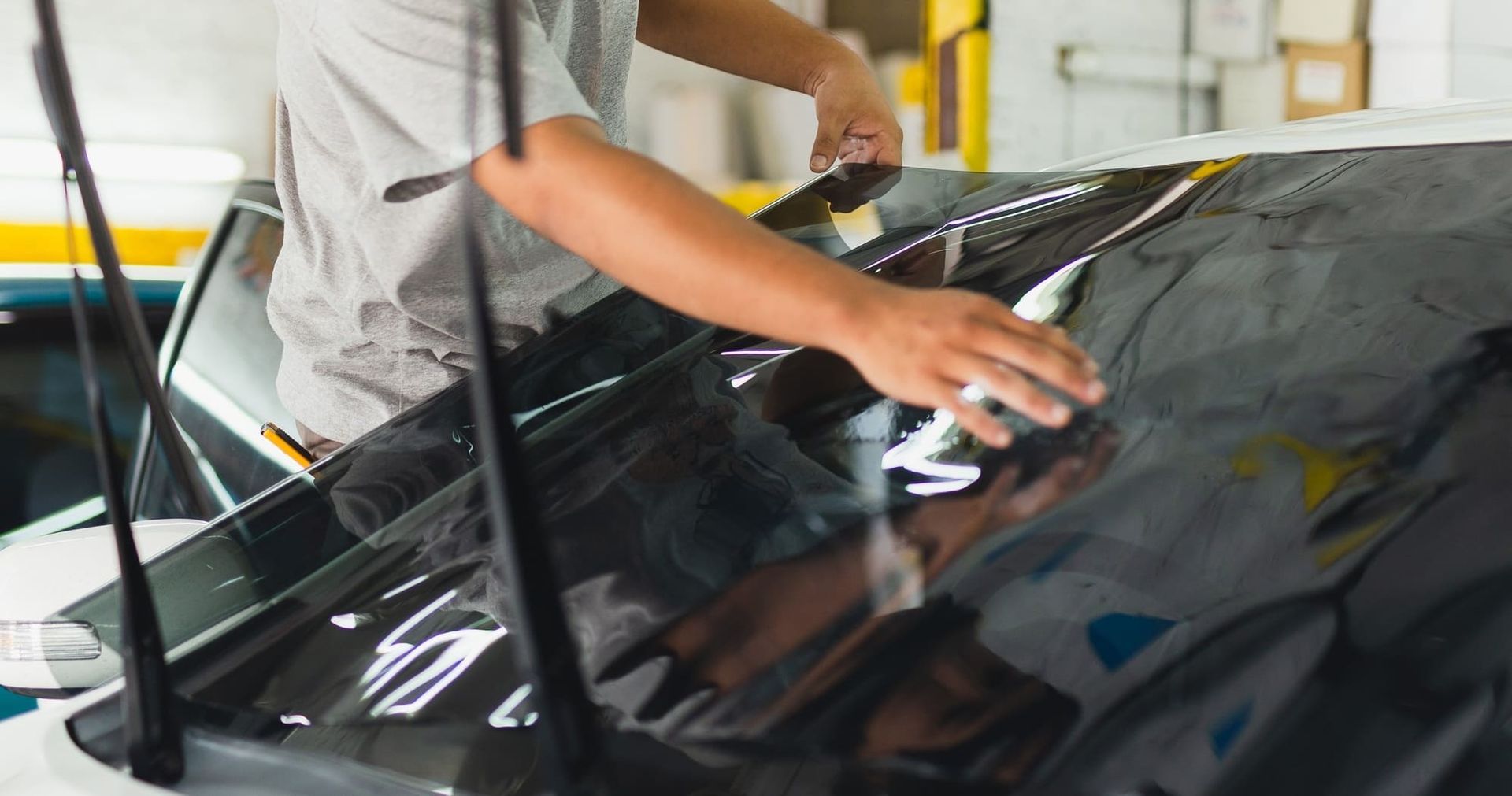
Ceramic window tint is a premium film designed to improve comfort and protection without relying on dyes or metal particles as the main performance feature. In simple terms, it is engineered to help reduce solar heat, block harmful UV rays, and maintain clear visibility while limiting glare. For drivers researching ceramic tint vs regular tint, this is one of the biggest reasons ceramic film stands out.
Standard dyed film is often chosen for appearance and basic glare control. Metallized film can improve solar performance, but it may create concerns for signal interference or a less refined look over time. Ceramic film is different because it focuses on performance, clarity, and durability. That is why so many people asking is ceramic tint worth it are really asking whether the technology makes a noticeable difference in everyday driving. In many cases, it does.
How ceramic tint works in practical terms
Ceramic film helps manage heat by reducing the amount of solar energy and infrared heat that enters through the glass. It also helps reduce glare and blocks a high percentage of UV exposure that can contribute to fading on seats, trim, and dashboards. This means the cabin can feel more comfortable, especially during summer afternoons or when the car has been parked in direct sun.
Why local drivers care about this in Nampa and Boise
Drivers in the Boise Metro area often deal with strong summer sun, hot interiors, and long periods of commuting or highway driving. In those conditions, the ceramic window tint benefits become easier to appreciate. A vehicle that feels cooler, less glaring, and more protected inside can improve the experience every day, not just during peak summer.
Ceramic Tint Cost in 2026: What to Expect to Pay
The ceramic tint cost 2026 shoppers will see is generally higher than the price of dyed or metallized film. That is the main reason many vehicle owners pause before choosing it. They want to know if the price jump is mostly marketing or whether it reflects real performance and longer service life.
In general, ceramic tint is positioned as a premium option. Pricing depends on vehicle size, the number of windows covered, the film line selected, and the installer's experience. A small sedan may cost less than a large SUV or truck. A full vehicle installation usually costs more than tinting only the side windows. Premium products also cost more than entry level ceramic lines, but they are typically chosen by drivers who want the best window tint for comfort.
Why ceramic costs more
The added cost usually comes from better materials, stronger performance, and longer term reliability. Vehicle owners are not just paying for a darker look. They are paying for a film designed to reject more heat, provide high UV protection, stay clearer over time, and resist the fading, bubbling, or premature wear that can affect cheaper film.
What buyers should compare beyond price
Instead of only comparing the invoice total, compare the film's expected lifespan, warranty support, comfort improvement, and how likely it is to need replacement. A lower upfront price can become less attractive if the film underperforms or has to be replaced sooner than expected.
Comfort Benefits: Heat Rejection, Glare Reduction, and UV Protection
The main reason people choose ceramic tint is comfort. When drivers ask whether ceramic tint is worth the extra cost compared to regular tint, comfort is usually the deciding factor. Ceramic film is selected not just for appearance, but for how the vehicle feels on the road and after sitting in the sun.
Heat rejection matters more than darkness alone
Many drivers assume darker tint automatically means a cooler cabin. That is not always true. A darker low end film may reduce visible brightness without delivering the same heat rejection as a lighter premium ceramic product. This is why ceramic tint vs regular tint is such an important comparison. The difference is often more about technology than darkness.
In real world use, ceramic film can help reduce the harsh sensation of direct sun through side glass, shorten the time it takes for the air conditioner to make the cabin comfortable, and improve driving comfort during afternoon commutes. It does not make heat disappear, but it can create a noticeably better environment inside the vehicle.
Glare reduction for daily driving
Glare is more than an annoyance. It can make driving fatiguing and reduce comfort on bright roads, during sunrise and sunset, and in winter when light reflects strongly. Ceramic tint helps reduce that brightness while maintaining good optical quality, which is important for both daytime and nighttime visibility.
UV protection and interior preservation
One of the biggest ceramic window tint benefits is UV protection. Over time, UV exposure can contribute to fading on seats, trim panels, dashboards, and other interior surfaces. For people who want to keep a vehicle in good condition for years, this is an important part of the value equation. Ceramic film can help support a cleaner, better preserved interior over time.
Ceramic Tint vs. Dyed and Metallized Tint: Is the Price Difference Worth It?
If you want a direct answer, the price difference is usually worth it for drivers who prioritize comfort, long term durability, and heat rejection. If the goal is only to darken the windows at the lowest possible cost, ceramic may not feel necessary. The right answer depends on what the driver values most.
Comparison table: Ceramic vs. Metallized vs. Dyed Tint
| Tint Type | Average Installation Cost | Heat and Infrared Rejection | UV Ray Protection | Signal Interference with GPS and Phone | Clarity and Optical Quality | Fade and Bubble Resistance Over Time | Expected Lifespan |
|---|---|---|---|---|---|---|---|
| Ceramic Tint | Highest upfront cost | High, typically the strongest comfort performance | Excellent | None or minimal | Very high with premium film | Excellent resistance when professionally installed | Long lasting, often the best long term option |
| Metallized Tint | Mid range | Moderate to high depending on film quality | Strong | Possible with some electronics | Good | Good, but varies by product and install quality | Moderate to long |
| Dyed Tint | Lowest upfront cost | Low to moderate | Basic to moderate depending on product | No signal issues | Fair to good | Lowest long term resistance of the three | Shortest expected lifespan |
When ceramic makes the most sense
Ceramic tint is usually easiest to justify for people who drive a lot, park outdoors, own larger vehicles, carry passengers often, or plan to keep the vehicle for many years. In those situations, the added comfort and durability can be appreciated often enough to make the higher price feel worthwhile.
When cheaper film may feel acceptable
If someone only wants a basic appearance upgrade, rarely drives in hot conditions, or plans to sell the vehicle soon, a lower priced film may feel good enough. In that case, ceramic may still be better, but it may not deliver the same perceived return on investment to that specific owner.
Long term cost comparison: upfront savings vs lifetime value
| Option | Initial Cost | Chance of Earlier Replacement | Long Term Comfort Value | Overall Ownership Value |
|---|---|---|---|---|
| Premium Ceramic Tint | Higher | Lower | High | Often strongest for long term owners |
| Mid Range Film | Moderate | Moderate | Moderate | Good for balanced budgets |
| Low Cost Dyed Film | Lower | Higher | Lower | Can become less economical if replaced more than once |
This is where many shoppers change their view on ceramic tint cost 2026 decisions. A premium film can feel expensive at first, but replacing a weaker film one or more times can narrow that cost gap while still delivering less comfort in the meantime.
How Long Does Ceramic Tint Last Compared to Other Films?
Ceramic tint lifespan is one of the strongest arguments in favor of the upgrade. High quality ceramic film that is professionally installed can last for many years and generally outlast lower grade alternatives. The exact lifespan depends on film quality, installation quality, climate, and how the vehicle is used, but ceramic is widely chosen by drivers who want durability.
Why ceramic lasts longer
Premium ceramic films are built to resist common problems like fading, bubbling, discoloration, and performance decline better than cheaper products. That matters in vehicles exposed to frequent sun, high summer temperatures, and long term outdoor parking. For many drivers, durability alone helps answer the question is ceramic tint worth it.
How dyed and metallized films compare
Dyed film is often the shortest lived option. It may look acceptable at first, but over time it can be more vulnerable to fading and other signs of wear. Metallized film can offer better durability than dyed film, but it may still not match premium ceramic products for long term clarity and overall user experience.
Why installer quality matters
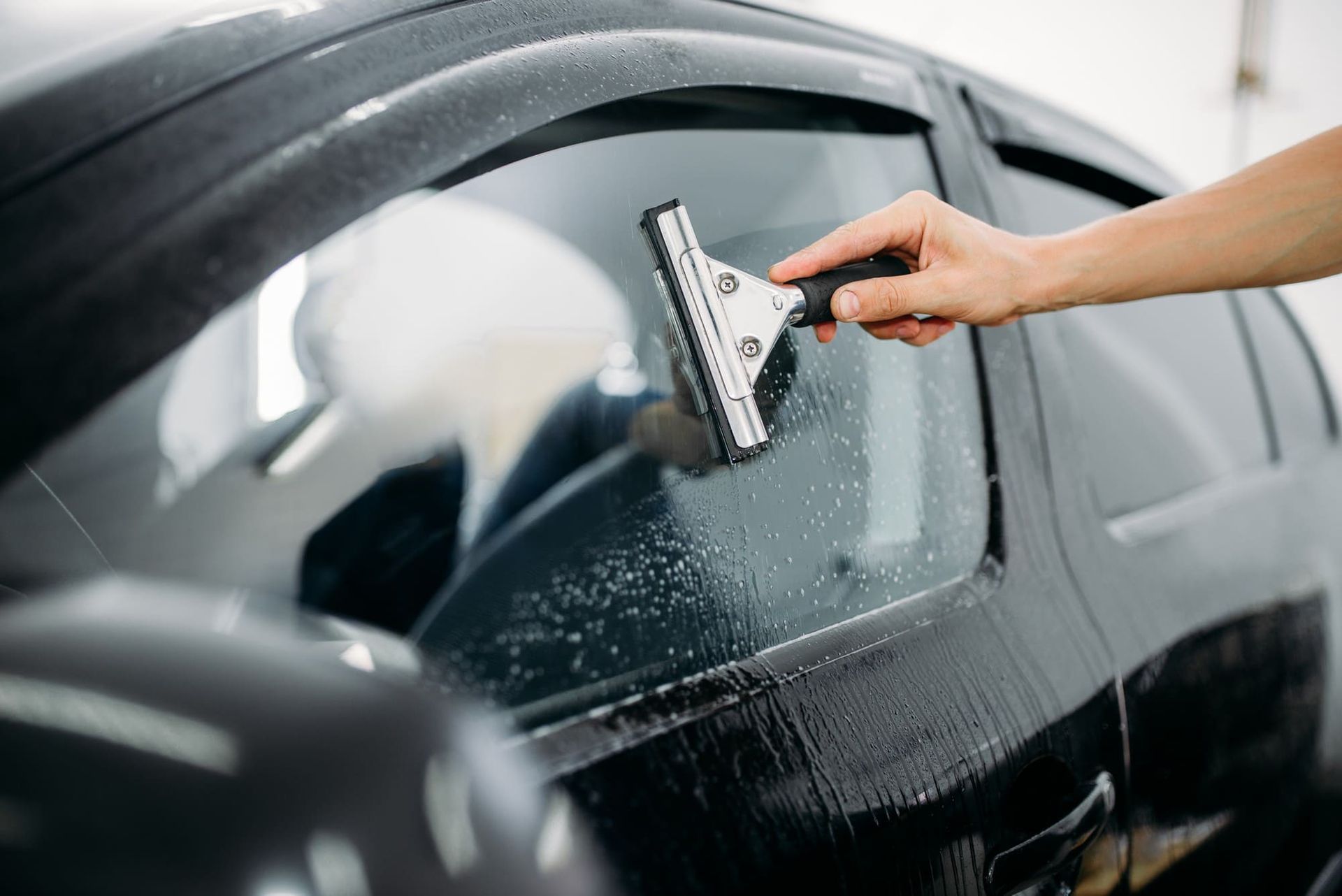
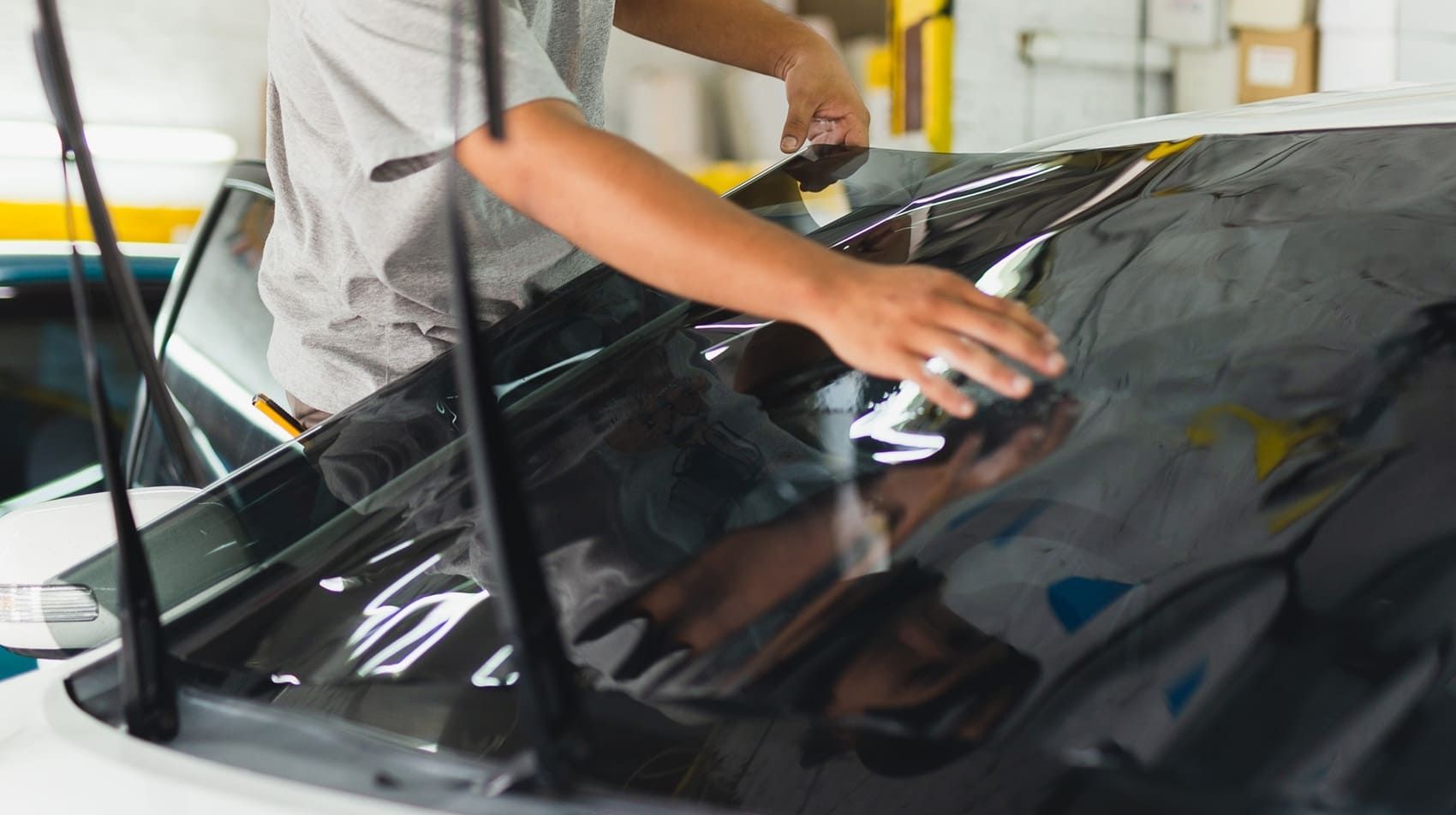
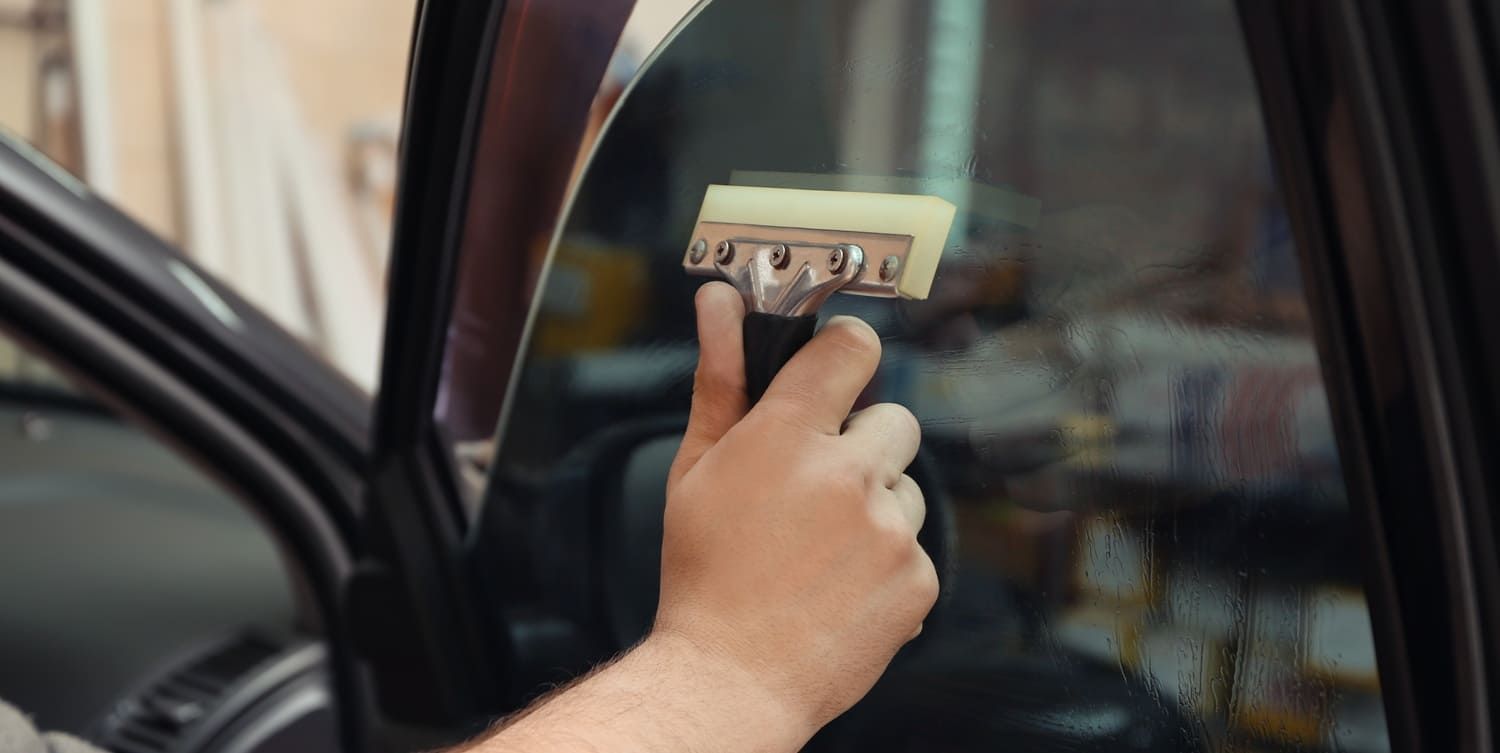
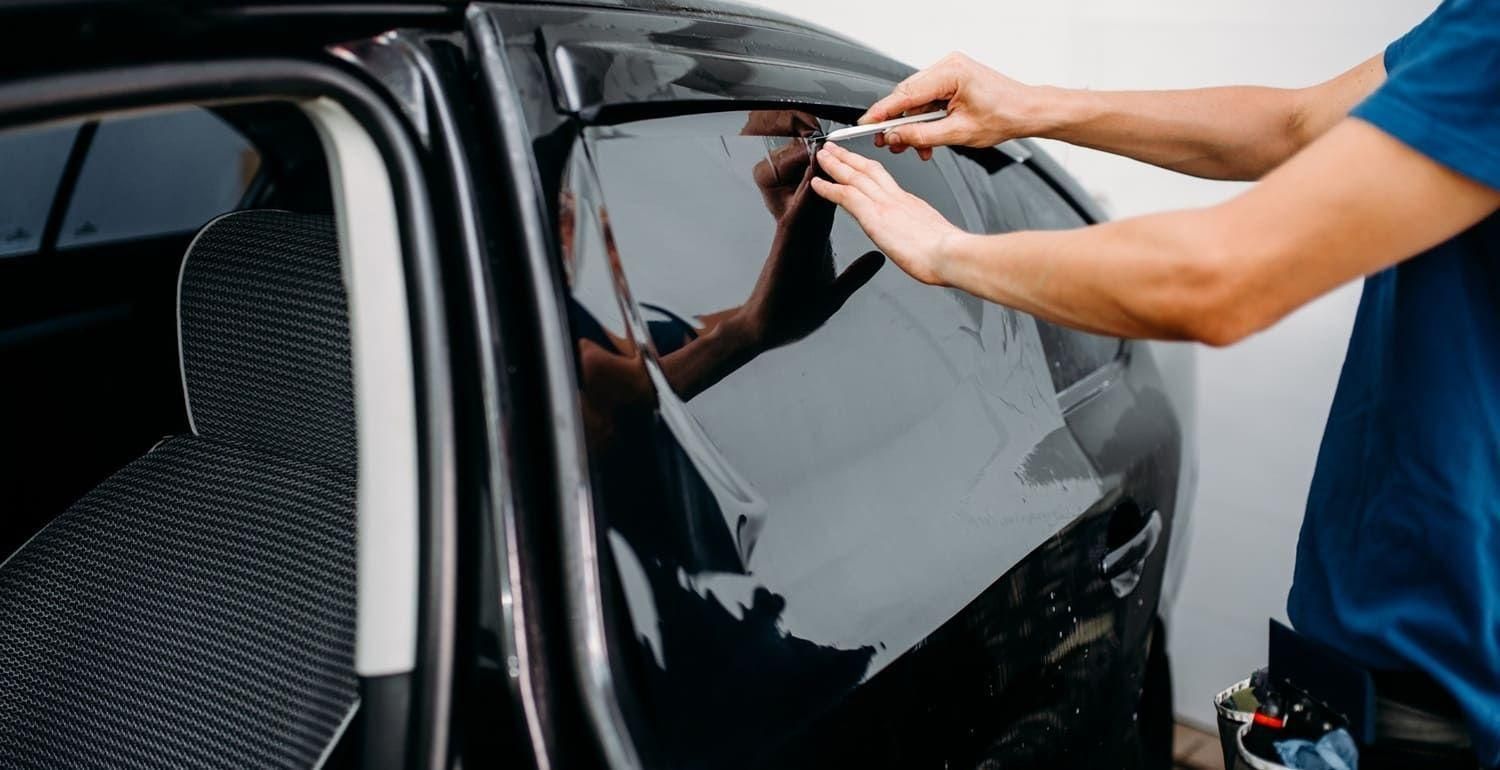
The film itself is only part of the equation. Proper prep, application, edge finishing, and material handling affect how well the tint performs and how long it stays looking clean. Even a strong film can disappoint if installed poorly, which is why professional installation matters so much when evaluating lifetime value.
Who Benefits Most from Ceramic Tint (and Who May Not Need It)
Ceramic tint is not the right answer for every vehicle owner, but it is a strong fit for many. The key is to match the product to the driver's priorities and expected ownership timeline.
Drivers who benefit most from ceramic tint
Drivers who benefit most usually include commuters, families, rideshare drivers, professionals on the road for long hours, truck and SUV owners, and anyone who parks outside often. People who are sensitive to heat or glare also tend to appreciate the difference quickly. If daily comfort matters, ceramic film has a strong case.
Vehicle owners in Nampa, Caldwell, Boise, Meridian, and the surrounding area often see a practical benefit because local summer conditions can make hot cabins uncomfortable. For anyone searching window tinting Nampa Idaho services with comfort as the top goal, ceramic is often the most sensible category to explore first.
Drivers who may not need ceramic
Some owners may not need a premium film. If the vehicle is rarely driven, mostly stored indoors, or likely to be sold in the near future, a less expensive option may make more sense financially. Likewise, if the goal is mostly appearance and privacy rather than heat management, ceramic may not feel essential.
How long you plan to keep the vehicle matters
If you expect to keep the vehicle for years, ceramic tint becomes easier to justify. You are more likely to enjoy the daily comfort, preserve the interior longer, and spread the cost over a longer ownership period. For long term owners, that often changes the value calculation significantly.
How to Get the Best Value When Choosing Ceramic Tint
Getting the best value does not always mean buying the cheapest film or the most expensive package. It means choosing a product and installer that match your comfort goals, budget, and ownership plans. If you are asking is ceramic tint worth it, value should be judged by long term satisfaction, not only the initial quote.
Choose performance, not just darkness
Some buyers focus too much on how dark the glass will look. A smarter approach is to ask about heat rejection, UV protection, optical clarity, durability, and warranty coverage. Those are the factors most likely to affect comfort and long term satisfaction.
Work with a professional installer
Professional installation helps protect your investment. A reputable shop should be able to explain different film options clearly, help you choose a legal shade that fits your needs, and stand behind the installation. That matters as much as the film itself.
Consider LLumar for premium long term value
For drivers who want premium film performance, LLumar is often positioned as a strong solution because it is associated with heat and UV protection, long term durability, and cleaner visual results when professionally installed. ShadowFilms Window Tinting installs LLumar window film products for vehicle owners who want more than a basic cosmetic upgrade. For many long term owners, that combination of product quality, lifetime warranty support, and improved comfort is what makes ceramic tint worth the extra cost.
Ask the right questions before you buy
Ask about the specific film line, the expected performance goals, the warranty, and how the installer helps match product selection to your driving habits. That conversation can reveal whether you are comparing real value or just comparing price tags.
FAQ
Is ceramic tint worth the extra cost compared to regular tint?
For many drivers, yes. Ceramic tint is often worth the extra cost because it usually offers better comfort, stronger heat rejection, higher UV protection, and longer-lasting performance than basic film.
How much does ceramic window tint cost in 2026?
Pricing varies by vehicle, coverage, and film line, but ceramic tint generally costs more than dyed or metallized options because it is positioned as a premium product.
How much heat does ceramic tint actually block?
The exact result depends on the film and shade selected, but ceramic tint is designed to reject a meaningful amount of heat-carrying solar energy and usually performs better than standard dyed film.
Does ceramic tint interfere with phone or GPS signal?
Ceramic film is commonly chosen in part because it does not rely on metal content in the same way some films do, so signal interference is usually not a major concern.
How long does ceramic tint last before it needs replacing?
High-quality ceramic tint can last for many years when professionally installed, especially compared with lower-end films that may fade or wear out sooner.
Is ceramic tint better for protecting interior upholstery from fading?
Yes. One of the key ceramic window tint benefits is strong UV protection, which helps reduce sun-related wear on seats, trim, dashboards, and other interior surfaces.
Can ceramic tint help lower air conditioning use in hot weather?
It can help reduce how quickly heat builds inside the cabin, which may improve how efficiently the interior becomes comfortable once the air conditioning is running.
What's the difference between ceramic tint and carbon tint?
The exact differences depend on the film line, but ceramic tint is generally positioned as a more advanced premium category focused on high heat rejection, clarity, and durability.
Does ceramic tint come with a warranty?
Many premium ceramic films do come with warranty coverage, especially when installed by a professional shop. Buyers should always ask for specific warranty details before purchasing.
Is ceramic tint a good investment for a vehicle I plan to keep long term?
In many cases, yes. Drivers who plan to keep their vehicle longer are more likely to benefit from ceramic tint's comfort, protection, and longer expected lifespan.
Conclusion
So, is ceramic tint worth it in 2026? For many drivers in Nampa, Canyon County, Ada County, and the Boise Metro area, the answer is yes if comfort, heat rejection, UV protection, and long term durability matter more than the lowest possible upfront price. Ceramic tint costs more, but that higher cost is often justified by a better day to day driving experience and a longer lasting result. For people who plan to keep their vehicles and want more than a simple appearance upgrade, premium ceramic film usually provides the stronger overall value.
If you are comparing ceramic tint vs regular tint and want professional guidance, ShadowFilms Window Tinting can help you choose the right LLumar ceramic window film for your vehicle, budget, and comfort goals. Contact ShadowFilms Window Tinting in Nampa, ID for a free estimate and professional installation designed for lasting comfort and performance.