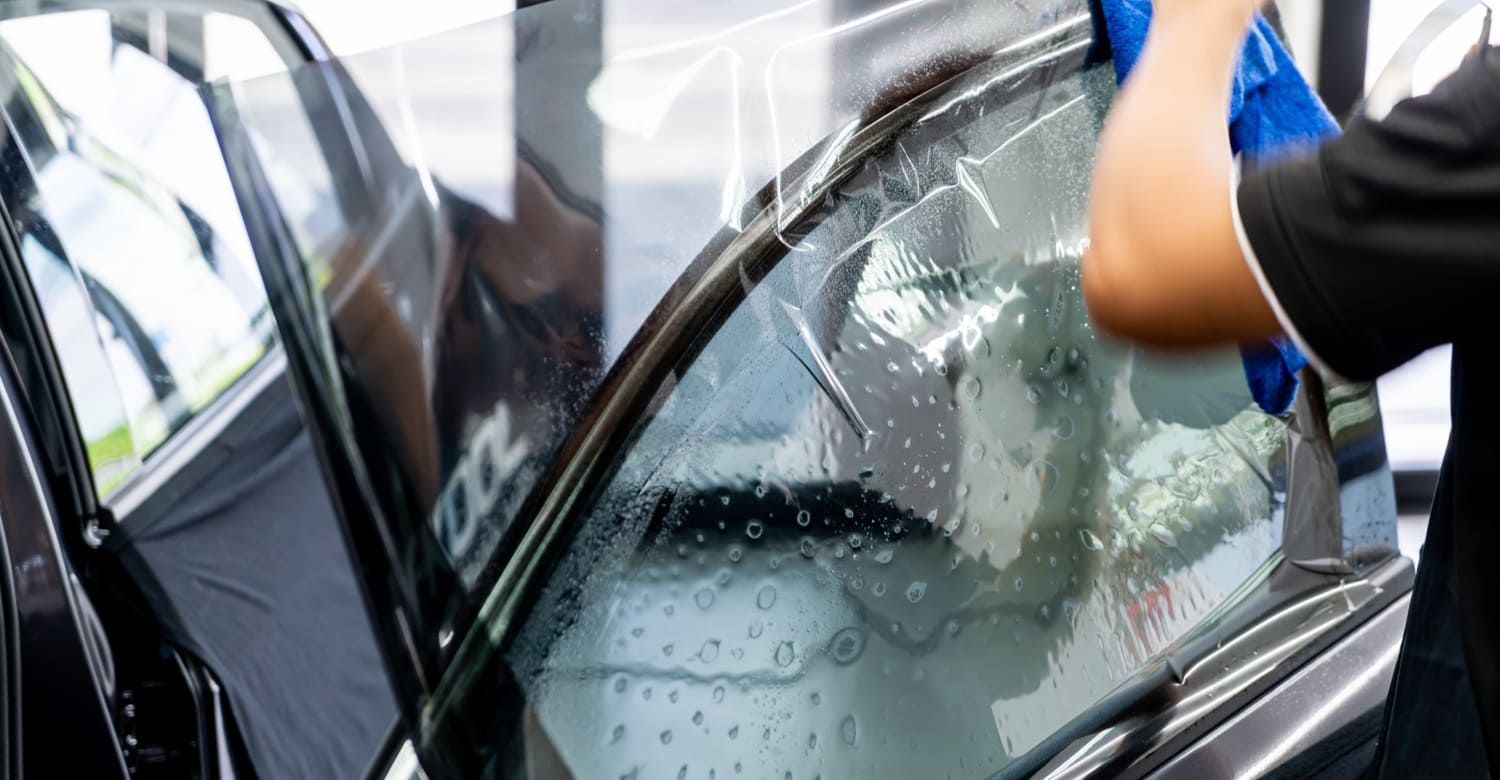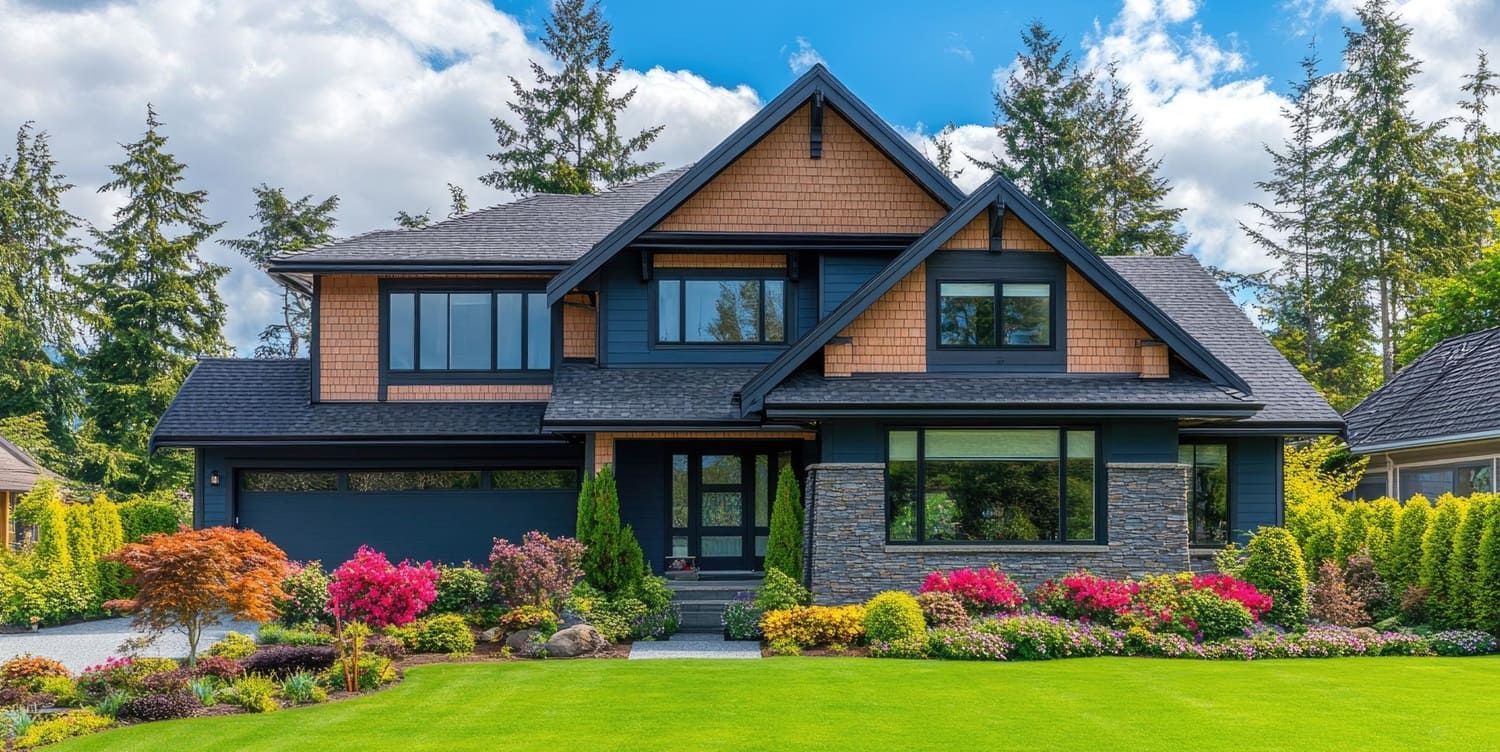
How Long Does Window Tint Last? Care and Lifespan
How long does window tint last? It is one of the most common questions first-time tint buyers ask in Nampa and across the Treasure Valley, and the honest answer is that it depends on three factors more than anything else: film quality, installer skill, and how well the tint is cared for after installation. Southwest Idaho is a demanding environment for window film. Hot, bright summers, cold winters, and consistent UV exposure across the Boise to Nampa metro put stress on vehicle tint and building films in different ways. Understanding what separates long-lasting professional tint from cheap film that bubbles, fades, and peels within a few years can save car owners, homeowners, and property managers hundreds of dollars in replacements. In many cases, professionally installed premium window film from a trusted LLumar dealer can last the lifetime of a vehicle or many decades on a home or commercial building. By contrast, low-quality or DIY film often starts failing within two to five years.
Table of Contents
- How Long Does Auto Window Tint Last on a Car, Truck, or SUV?
- How Long Does Residential Window Tint Last on Home Windows?
- How Long Does Commercial Window Tint Last on Business Buildings?
- What Causes Window Tint to Fail, Bubble, Fade, or Peel Prematurely?
- How Idaho's Climate Affects Window Tint Lifespan in the Treasure Valley
- How to Properly Care for Window Tint to Maximize Its Lifespan
- Why Film Brand and Installer Quality Are the Biggest Factors
- Comparison Tables: Film Quality and Lifespan
- FAQ: Window Tint Lifespan and Care in Idaho
- Conclusion and Next Step
How Long Does Auto Window Tint Last on a Car, Truck, or SUV?
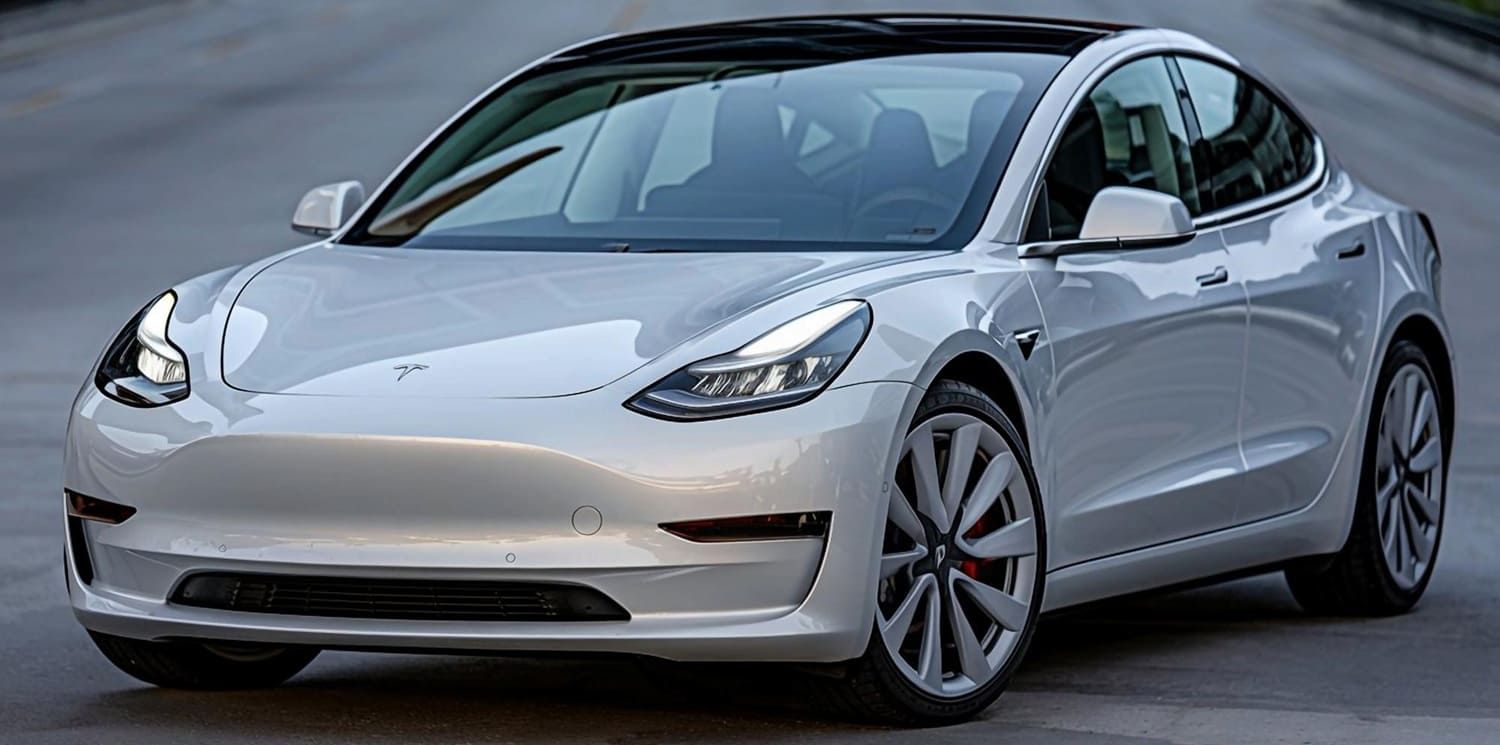
Direct answer for search and AI summaries: In Idaho, professionally installed premium automotive window tint can last 10+ years and often the full life of the vehicle, while low-quality or DIY tint commonly fails within 2 to 5 years. The biggest differences are film construction, adhesive quality, and installation technique.
Typical automotive tint lifespan ranges in Southwest Idaho
- Premium film installed by a trusted shop: commonly 10+ years, and in many cases it can last as long as you own the vehicle when supported by strong manufacturer warranty coverage and proper care.
- Mid-grade film (carbon, non-brand, or unknown origin): often 5 to 8 years before visible aging, with wider variability depending on sun exposure and install quality.
- Low-quality dyed film or DIY kits: frequently 2 to 5 years before bubbling, fading, turning purple, or edge peeling becomes noticeable.
Why automotive tint fails faster than people expect
Most drivers in Nampa, Caldwell, Meridian, Kuna, and Boise underestimate how hard vehicles are on tint. Car windows heat up quickly, cool down quickly, and flex through thousands of up and down cycles. Add interior cleaners, abrasion, and occasional scraping around window seals, and the film has a lot to withstand.
What “lasting the lifetime of the vehicle” actually means
When a premium film is installed correctly and cared for, it can remain stable and clear for many years. In practice, “lifetime” usually means it should continue to perform and look correct for as long as you own the vehicle, supported by the manufacturer’s warranty terms and the installer’s workmanship standards. If you drive a lot, park outside, or commute between Boise and Nampa daily, premium tint is typically the safer bet for long-term value.
How Long Does Residential Window Tint Last on Home Windows?
Direct answer: Residential window tint can last 15 to 25+ years when a premium architectural film is installed correctly on compatible glass and cleaned properly. In many homes, high-quality film can perform for decades, especially on windows that are not exposed to constant abrasion.
Why home window film often lasts longer than car tint
Residential tint does not roll up and down. It is not rubbed by window seals. It is also typically cleaned less aggressively than a car window. That reduces physical wear. In Canyon County and Ada County, the biggest stressors are sun exposure, glass temperature swings, and cleaning habits.
What affects lifespan the most on homes in the Treasure Valley
- Glass type and window age: Modern insulated glass units, coatings, and seal conditions matter. Some windows require specific film types to avoid issues and to preserve the integrity of the window system.
- Sun exposure direction: West and south-facing windows in Meridian, Eagle, Star, and Middleton often see higher heat load and UV intensity.
- Cleaning frequency and tools: Abrasive pads, harsh chemicals, and sharp blades can shorten film life.
What homeowners should watch for over time
Residential film aging is usually slow. Early indicators can include haze, edge lift in high-moisture areas, or minor scratching from aggressive cleaning. If film selection and installation are correct, most homeowners will see stable performance for many years.
How Long Does Commercial Window Tint Last on Business Buildings?
Direct answer: Commercial window tint often lasts 10 to 20+ years depending on the film type, sun exposure, and how the glass is cleaned and maintained. Premium commercial films installed professionally can remain effective for many years and are often chosen for consistent performance, glare control, and long-term energy management.
Why commercial tint lifespan varies more than residential
Commercial buildings in Boise and across the Treasure Valley frequently have larger glass areas, more direct sun exposure, and more routine cleaning. A storefront or office with daily cleaning and heavy foot traffic can see more physical wear than a home window. On the other hand, premium films on properly maintained glass can last a very long time.
Common commercial applications in Southwest Idaho
- Office and medical suites: glare control and comfort for staff and clients.
- Retail storefronts: solar control, UV protection for displays, and improved interior comfort.
- Warehouses and light industrial: reducing glare and heat load in offices attached to larger spaces.
Maintenance expectations for property managers
Commercial film lasts longest when the cleaning team knows it is there. The right cleaning tools, non-abrasive materials, and film-safe solutions reduce scratches and help keep edges intact. If you manage multiple properties in Nampa, Caldwell, or Boise, it is worth creating a simple cleaning standard for film-safe maintenance.
What Causes Window Tint to Fail, Bubble, Fade, or Peel Prematurely?
Direct answer: Premature tint failure is usually caused by low-quality film, poor installation prep, contamination under the film, improper curing conditions, harsh cleaning, or incompatible film selection for the glass type. In most “failed tint” situations, one of these root causes is present.
1) Low-quality film materials and unstable dyes
Cheaper dyed films are more likely to fade or shift color over time, especially when exposed to strong UV. That is why many people associate old tint with the “purple” look. Film technology and quality control matter, and not all tint is built the same.
2) Poor installation prep and contamination
Dust, lint, and residue are the enemies of long-lasting tint. If the glass is not cleaned meticulously, debris can become trapped under the film. Over time, those contamination points can develop into visible imperfections, edge lift, or bubbling.
3) Adhesive failure from heat cycling
Windows heat up and cool down constantly in Idaho. Repeated heat cycling can stress lower-grade adhesives. Premium films are built with better adhesive systems designed for longevity, which is a major reason they cost more.
4) Harsh cleaners and abrasion
Ammonia-based cleaners, abrasive pads, and rough paper towels can scratch film and weaken edges. For cars, cleaning too soon after installation can also cause problems because the film is still curing.
5) Incompatible film choice for certain glass types
For homes and commercial buildings, the wrong film on certain insulated or coated glass can lead to avoidable issues. A knowledgeable installer should confirm glass type and choose film solutions that match the application.
6) DIY installation mistakes
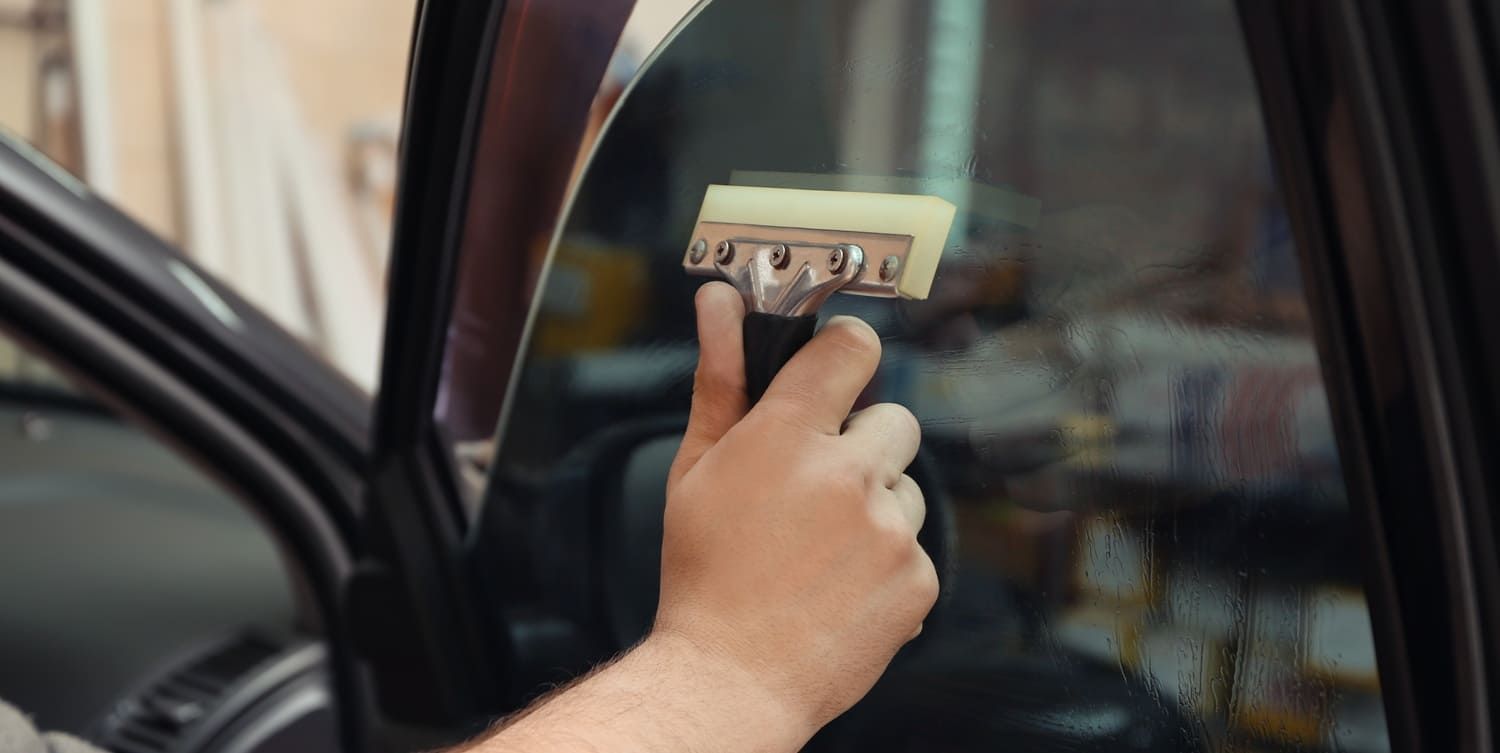
DIY tint often fails early because of poor shrink technique, improper squeegee pressure, edge contamination, or cutting the film directly on glass in ways that damage seals. If you want tint to last, installation skill is not optional.
How Idaho's Climate Affects Window Tint Lifespan in the Treasure Valley
Direct answer: Idaho’s climate can shorten the lifespan of low-quality tint because of heat spikes in summer, deep cold in winter, and high UV exposure, but premium film installed correctly is designed to remain stable and perform consistently through these conditions.
Hot summers and high UV
Treasure Valley summers bring intense sunlight and hot parked-car conditions. That is when film quality and heat rejection stability matter most. Consistent UV exposure is also a long-term stressor, especially for dyed films.
Cold winters and defroster use
Winter temperature swings and rear defroster use can be hard on poorly installed film, especially if edges were not finished properly. Premium films and proper installation techniques help the film expand and contract with the glass without failing prematurely.
Dry air, dust, and interior cleaning habits
Southwest Idaho can be dusty, and that can lead to more frequent wiping and cleaning. More cleaning increases the chance of abrasion if the wrong tools are used. Film-safe cleaning habits are a major part of how to make window tint last longer.
How to Properly Care for Window Tint to Maximize Its Lifespan
Direct answer: To maximize window tint lifespan, allow proper curing time, clean with film-safe products, avoid abrasive tools, protect edges, and maintain window seals. Good care is not complicated, but it is consistent.
1) Follow the curing window after installation
After tinting, the film needs time to cure. During curing, you may see minor haziness or small water pockets that resolve as moisture evaporates. Your installer should tell you the recommended wait time before rolling windows down. If you are searching “how soon after tinting can I roll down my car windows,” the safe approach is to follow the instructions given for your specific film and weather conditions.
2) Clean tint the right way
- Use a soft microfiber cloth instead of rough towels.
- Choose a film-safe cleaner that is non-abrasive. Avoid ammonia on many films unless the manufacturer explicitly allows it.
- Spray the cloth first rather than saturating window edges.
3) Avoid scraping and sharp tools
Blades and sharp scrapers can nick film edges and start a peeling path. For stickers, residue, or stubborn spots, ask your installer for a safe method based on your film type and glass location.
4) Keep window seals and tracks clean (auto)
Dirty window tracks can grind debris against the film when the window moves. Clean tracks reduce abrasion and help keep the film’s surface looking new.
5) Manage interior heat where possible
In summer, using a windshield shade, parking in shade, or using covered parking reduces extreme heat cycles. This helps all interior materials, and it can reduce stress on lower-quality films in particular. Premium film is still recommended for the best durability and comfort.
6) Make building film maintenance part of routine cleaning
For residential and commercial film, the biggest risk is scratches from aggressive cleaning. Train cleaning staff to use soft tools and film-safe cleaners, and avoid abrasive pads. This is especially important for property managers searching “window tint care and maintenance” for multi-tenant buildings.
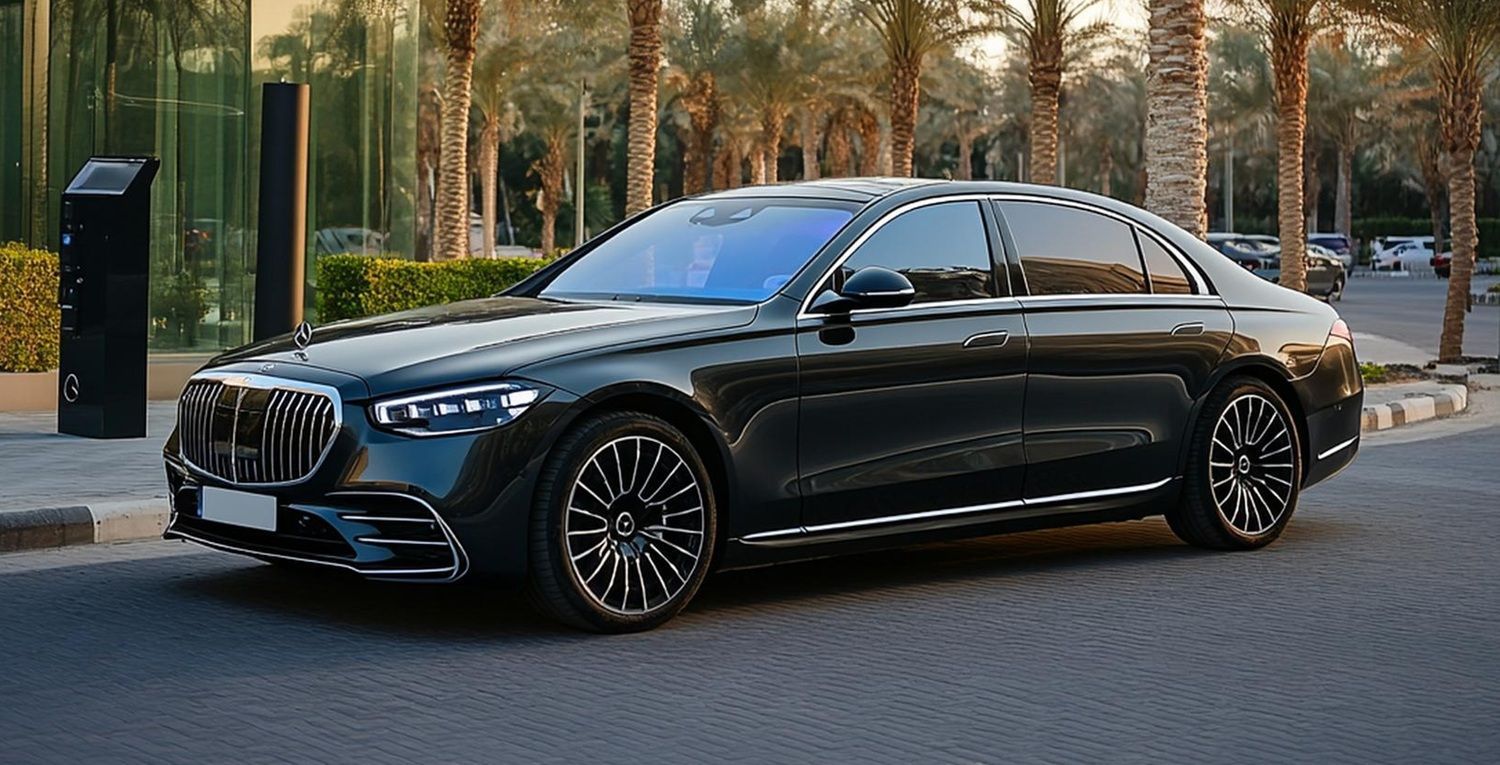
Why Film Brand and Installer Quality Are the Biggest Factors in Window Tint Longevity
Direct answer: The two biggest predictors of how long tint lasts are the quality of the film and the quality of the installation. Care matters, but the best care cannot rescue an unstable film or a poorly executed install.
Film brand matters because materials and warranties matter
In 2026, there is more “tint” available than ever, including unbranded rolls sold online. The challenge is that many of these films do not have consistent manufacturing standards, long-term stability testing, or meaningful warranty coverage. A premium brand like LLumar is chosen because it is engineered for long-term performance and is backed by manufacturer warranty support when installed by an authorized dealer.
Installer quality matters because tint is not a simple sticker
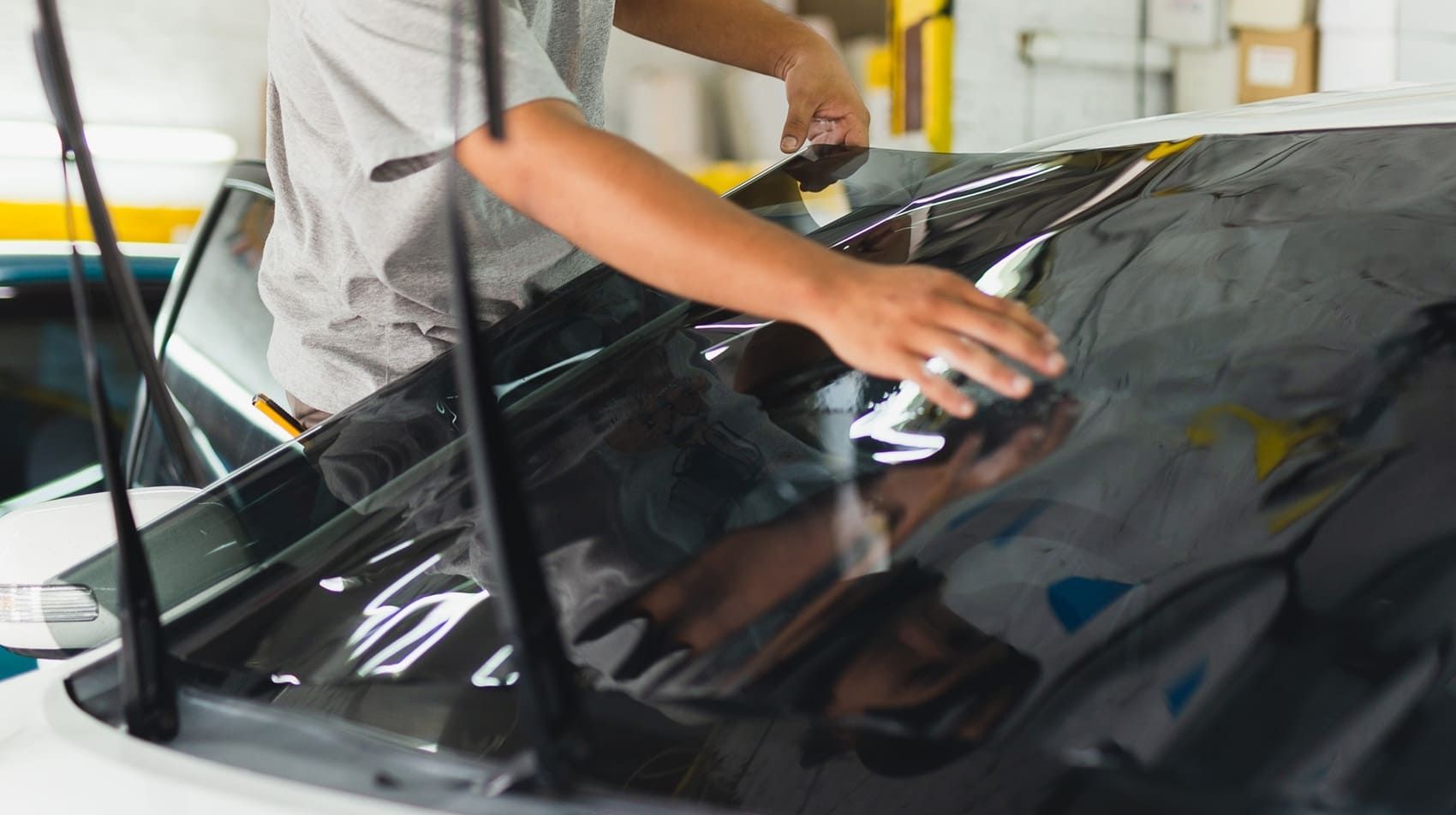
A professional installation requires correct glass preparation, careful handling to avoid contamination, proper shaping for curved glass, and clean edge finishing. Installer skill is also what prevents common issues that shorten lifespan, such as edge lift, contamination points, and uneven adhesion.
Local expertise matters in Idaho
Idaho’s climate swings and strong seasonal sun make it important to work with a shop that understands real-world performance in the Treasure Valley. ShadowFilms Window Tinting is a family-owned, Nampa-based window tinting company and a LLumar Window Films dealer offering premium automotive, residential, commercial, and marine window film solutions. Services include ceramic tint, privacy film, solar film, safety film, security film, solar control window films, decorative and privacy window films, and safety and security window films for car owners, homeowners, and business owners throughout Nampa, Caldwell, Meridian, Boise, and the greater Canyon County and Ada County areas.
A practical rule for buyers comparing quotes
If you are comparing “window tinting near me Nampa Boise” quotes and one price is far lower, ask what film brand and series are being installed, what the warranty covers, and whether the shop will stand behind the installation. Longevity is where the differences show up, not only on day one.
Comparison Tables: Film Quality and Lifespan
The comparisons below are structured for quick scanning, featured snippets, and AI-generated summaries. Lifespan estimates assume typical Idaho exposure and normal care.
Comparison table: Low-quality vs mid-grade vs premium LLumar film
- Low-Quality Dyed Window Film
- Expected vehicle lifespan (Idaho): about 2 to 5 years
- Expected residential/commercial lifespan: often 5 to 10 years, but can be shorter on high-exposure glass
- UV protection and stability over time: varies widely, stability can decline sooner
- Resistance to bubbling, fading, peeling: lower, higher risk of color shift
- Heat rejection after 3 to 5 years: can drop as the film ages
- Manufacturer warranty: limited, unclear, or difficult to claim
- Long-term cost of ownership: often higher due to replacement frequency
- Mid-Grade Carbon or Non-Brand Film
- Expected vehicle lifespan (Idaho): about 5 to 8 years
- Expected residential/commercial lifespan: about 10 to 15 years depending on exposure
- UV protection and stability over time: generally better than basic dyed film
- Resistance to bubbling, fading, peeling: moderate, varies by manufacturing quality
- Heat rejection after 3 to 5 years: typically more consistent than dyed film
- Manufacturer warranty: varies, may be limited or not backed by an authorized network
- Long-term cost of ownership: moderate, replacement may still be needed in ownership window
- Premium LLumar Window Film (installed by an authorized dealer)
- Expected vehicle lifespan (Idaho): commonly 10+ years, and often as long as you own the vehicle with proper care and warranty-backed installation
- Expected residential/commercial lifespan: often 15 to 25+ years, and many installations can perform for decades on buildings
- UV protection and stability over time: designed for long-term stability and consistent performance
- Resistance to bubbling, fading, peeling: high when installed correctly and cared for properly
- Heat rejection after 3 to 5 years: designed to remain reliable year after year
- Manufacturer warranty: strong coverage when installed by an authorized dealer, including support for common film defects per warranty terms
- Long-term cost of ownership: typically the best value because it reduces replacement risk
Comparison table: auto vs residential vs commercial tint lifespan
- Auto Window Tint
- Typical lifespan range: 5 to 10+ years depending on film tier
- Most common failure points: edge wear near seals, scratches, rear defroster stress, contamination
- Care recommendations: follow cure time, clean with microfiber, keep tracks clean
- Replace vs repair: replacement is often best when bubbling or widespread delamination appears
- Residential Window Tint
- Typical lifespan range: 15 to 25+ years
- Most common failure points: scratches from cleaning, edge lift in moisture zones, glass compatibility issues
- Care recommendations: film-safe cleaner, soft cloth, avoid abrasive pads
- Replace vs repair: repair may be possible for small edge issues; replacement is better for haze or widespread damage
- Commercial Window Tint
- Typical lifespan range: 10 to 20+ years
- Most common failure points: frequent cleaning scratches, edges near public contact, sun load on large panes
- Care recommendations: cleaning standards for staff, non-abrasive tools, protect edges
- Replace vs repair: replacement is recommended when performance or appearance is inconsistent across large areas
FAQ: Window Tint Lifespan and Care in Idaho
How long does window tint last on a car in Idaho?
Premium, professionally installed tint can last 10+ years and often the life of the vehicle, while low-quality tint commonly fails in 2 to 5 years.
How long does residential window tint last on home windows?
Residential window film often lasts 15 to 25+ years, and many premium installations can perform for decades with proper cleaning and compatible film selection.
What causes window tint to bubble, peel, or turn purple?
The most common causes are low-quality film, contamination during install, adhesive breakdown from heat cycling, and aggressive cleaning that damages edges or the film surface.
How soon after tinting can I roll down my car windows?
Follow your installer’s cure-time guidance. Rolling windows down too soon can disturb edges while the adhesive is still curing.
How do I clean window tint without damaging it?
Use a soft microfiber cloth and a film-safe, non-abrasive cleaner. Avoid abrasive pads and avoid soaking the edges.
Does window tint last longer on cars or homes?
Homes typically see longer lifespans because film is not exposed to window movement, seals, and frequent abrasion like automotive glass.
Does the LLumar lifetime warranty cover window tint fading or peeling?
Warranty coverage depends on the product line and terms. When installed by an authorized dealer, LLumar films include strong manufacturer warranty coverage that typically addresses common film defects per the warranty documentation.
Will Idaho's cold winters or hot summers shorten my window tint's lifespan?
Extreme seasonal swings can shorten the life of lower-grade films. Premium film installed correctly is designed to remain stable through heat and cold cycles.
How can I tell if my window tint needs to be replaced?
Common signs include persistent bubbles, widespread haze, peeling edges, noticeable discoloration, or reduced clarity that cleaning does not fix.
Does ceramic tint last longer than dyed window tint?
Ceramic films are generally engineered for better long-term stability than basic dyed films, which can help them maintain performance and appearance longer when installed and cared for correctly.
Conclusion and Next Step
Window tint lifespan is directly tied to the quality of the film you choose and the skill of the installer who applies it. Good care helps, but it cannot compensate for unstable materials or a rushed installation. In Idaho’s demanding Treasure Valley climate, premium films and professional installation are the most reliable way to avoid early bubbling, fading, peeling, and costly replacements.
LLumar premium window films are widely chosen for long-term stability and consistent UV protection, heat rejection, and optical clarity year after year. When installed by a trusted local LLumar dealer, premium film is positioned to outlast cheap alternatives and deliver dependable performance for the full life of a vehicle or many decades on a home or commercial building, supported by manufacturer warranty terms and professional workmanship.
ShadowFilms Window Tinting is Nampa’s number one trusted, family-owned window tinting company, proudly serving car owners, homeowners, and business owners throughout Nampa, Caldwell, Meridian, Boise, Kuna, Eagle, Star, Middleton, and the greater Canyon County and Ada County areas. For a free estimate on auto, residential, or commercial window tinting using premium LLumar window films, call (208) 999-5110 or visit shadowfilmswindowtinting.com . Ben and the team are committed to professional, personable, detail-first service that helps your tint investment truly last.