Best Windshield Tint Options in Nampa: Heat Control Without Legal or Safety Risk
Your windshield is the largest piece of glass in your vehicle, and it faces the sun head-on every time you drive. In the Treasure Valley, that means summer heat pouring into the cabin on I-84, blinding glare during sunrise commutes into Boise, and low winter sun that makes it hard to see the road ahead. It is no surprise that drivers in Nampa, Meridian, and Caldwell want to tint their windshields.
The challenge is doing it without creating new problems. The wrong windshield film can earn you a ticket, reduce night visibility, interfere with your vehicle's safety cameras, or block the signals your phone and GPS depend on.
The short answer: the best windshield tint option for most Idaho drivers is a non-reflective ceramic sun strip installed above the manufacturer's AS-1 line, paired with high-performance ceramic film on the side and rear windows. Drivers with a qualifying medical exemption may also be able to add a nearly clear ceramic film to the full windshield. This approach controls heat and glare while keeping you legal, safe, and connected.
This guide covers what
Idaho law allows, the windshield film options that make sense, the risks to avoid, and how to get the most heat control from your glass.
What Are the Best Windshield Tint Options for Heat Control?
The best windshield tint options balance heat rejection, visibility, and legal compliance. For drivers in Idaho, those options fall into three categories:
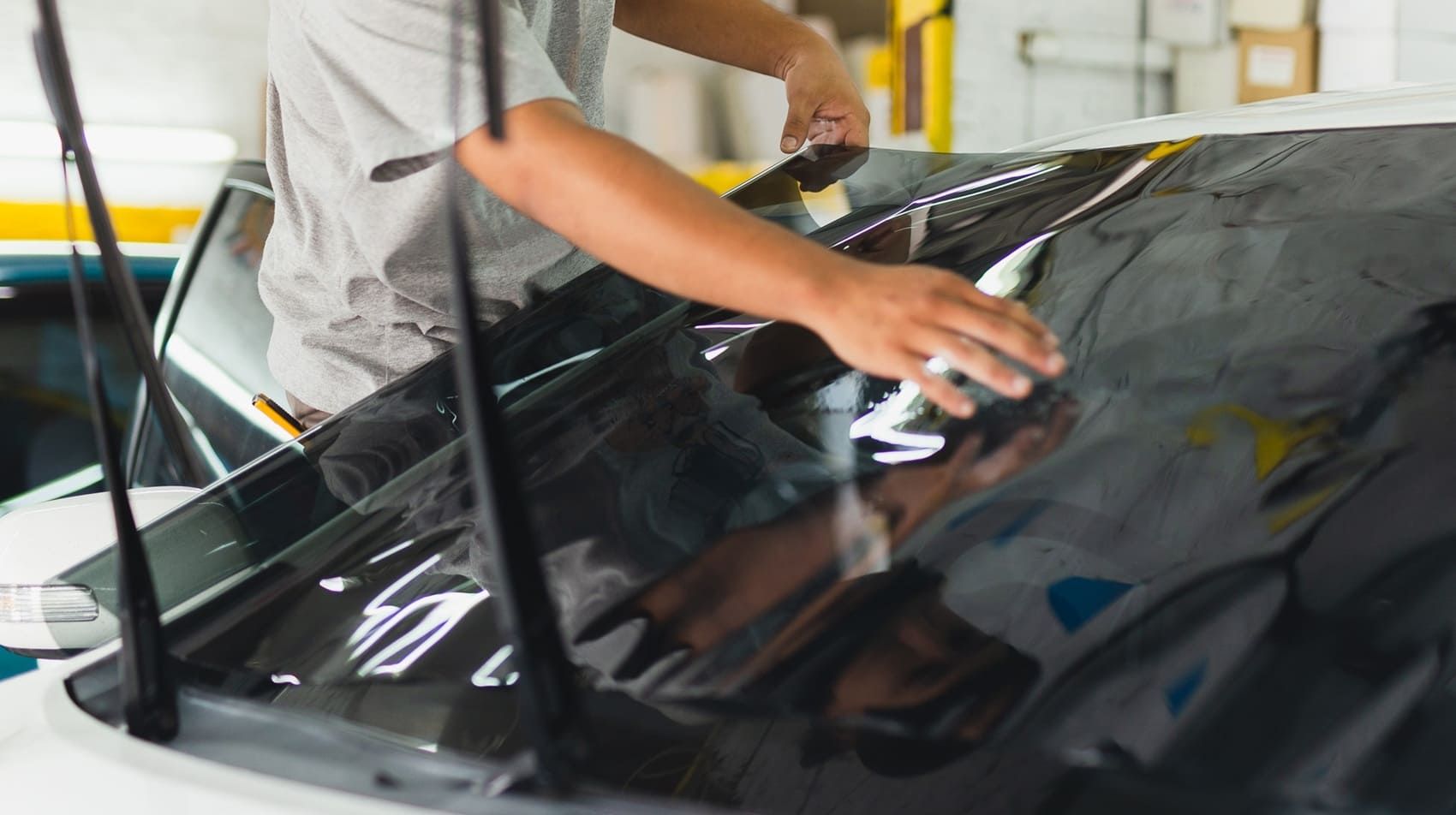
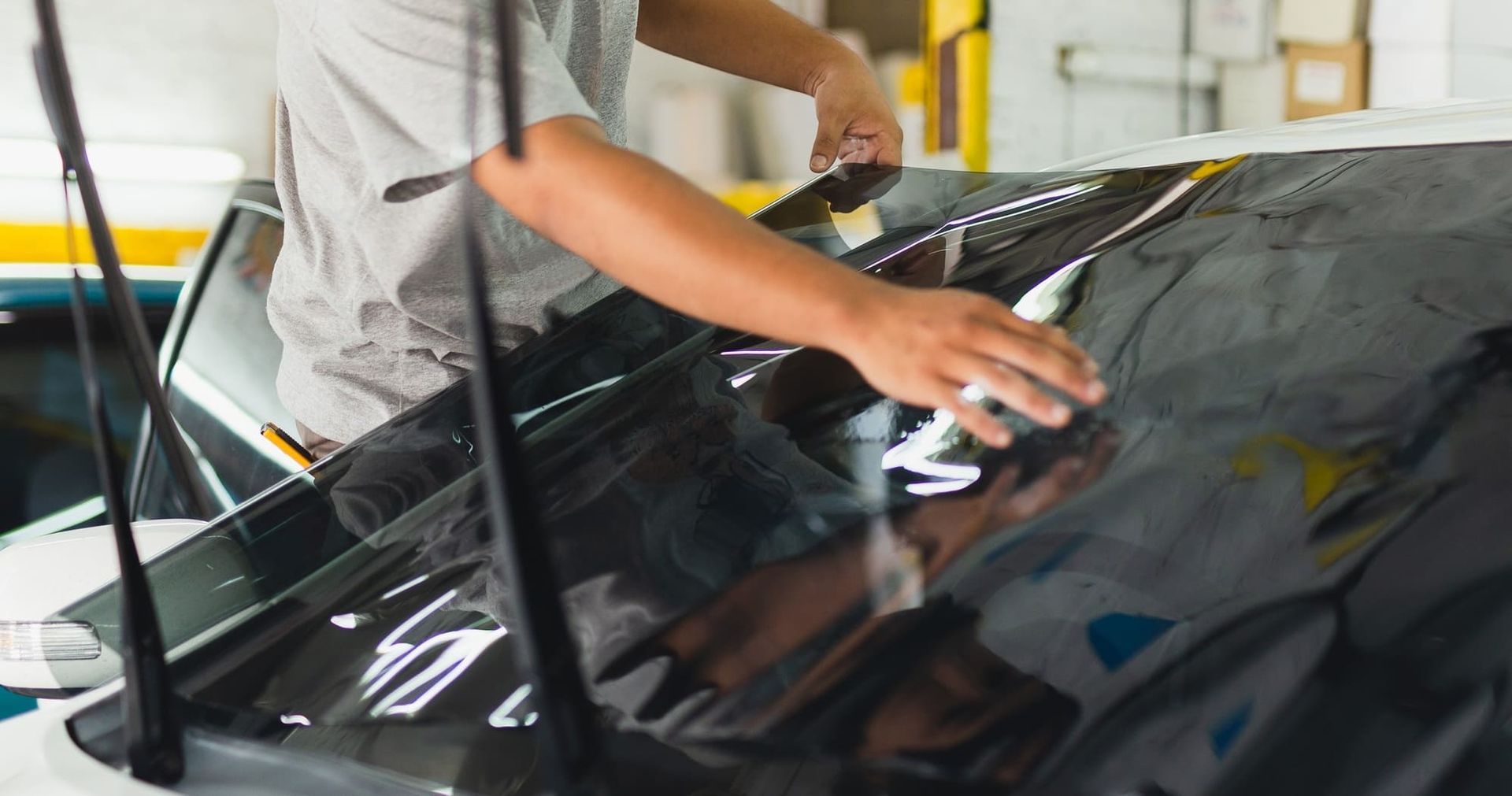
- Ceramic windshield sun strip: A non-reflective band of film across the top of the windshield, above the AS-1 line or within the top 6 inches. It cuts glare from overhead and low-angle sun and is legal for every driver.
- Clear ceramic windshield film: A nearly invisible nano-ceramic film that blocks UV rays and reduces heat without noticeably darkening the glass. In Idaho, full-windshield coverage below the AS-1 line is generally tied to a medical exemption.
- Ceramic tint on side and rear windows: Because the windshield is restricted, upgrading every other window to an infrared-rejecting ceramic film is one of the most effective ways to cool the whole cabin.
The common thread is ceramic technology. Ceramic films reject heat without metal, which keeps them non-reflective, signal-friendly, and clear enough for safe driving.
What Idaho Law Says About Windshield Tint
Before choosing a film, it helps to know the rules. Under Idaho's window tint regulations:
- Windshield: Non-reflective tint is allowed above the manufacturer's AS-1 line or within the top 6 inches.
- Front side windows: Must allow more than 35% of light in.
- Back side windows: Must allow more than 20% of light in.
- Rear window: Must allow more than 35% of light in.
- Reflectivity: Front and back side windows must not be more than 35% reflective.
- Medical exemptions: Idaho allows medical exemptions for special tint, including 75% light transmission on the windshield.
- Tolerance: State law allows a 3% light transmission variance.
- Penalty: Violations are a traffic infraction.
The AS-1 line is a small marking printed near the top edge of most windshields. If your windshield does not have one, the top 6 inches is the general limit. Tint laws can be interpreted differently by local authorities and can change, so it is always wise to confirm current rules with the Idaho Transportation Department or a knowledgeable local installer before installation.
Why Windshield Tint Carries More Risk Than Other Windows
Tinting the windshield is not the same as tinting a side window. Several factors make it a more delicate job.
1. Visibility Comes First
Your windshield is your primary view of the road. Dark film across the full windshield reduces contrast at night, in rain, and in snow, making it harder to spot pedestrians, deer, and road hazards on rural Canyon County roads. That is the core reason windshield tint is so tightly restricted.
2. Advanced Driver Assistance Cameras and Sensors
Many newer vehicles use a camera mounted behind the windshield for lane-keeping assist, automatic emergency braking, and adaptive cruise control. Film installed in the wrong spot, or a film with poor optical clarity, can interfere with how those systems see the road. A professional installer will trim the sun strip carefully around the camera housing so nothing obstructs the sensor's view.
3. Signal Interference From Metallized Films
Metallized films reflect heat with thin metal layers, but those layers can also weaken GPS, cell, and radio signals in some vehicles. They also tend to be more reflective, which is a problem on a windshield that must be non-reflective. Ceramic films avoid both issues.
4. Rock Chips and Windshield Replacement
Windshields take more hits from gravel and debris than any other glass, especially on I-84 and during winter road-sanding season. If a chip turns into a crack and the windshield is replaced, the film goes with it. Keep that in mind when budgeting, and ask your installer about reinstalling a sun strip after any glass replacement.
5. Thermal Stress From Idaho's Temperature Swings
The Treasure Valley swings from hot summer afternoons to freezing winter mornings. Running the defroster on cold glass already puts stress on a windshield, and an existing chip can spread. Quality films are engineered for automotive glass, but a reputable installer will inspect the windshield for damage before applying film.
Windshield Tint Options Compared
| Option | Where It Goes | Heat and Glare Control | Visibility Impact | Idaho Legal Status | Best For |
|---|---|---|---|---|---|
| Ceramic sun strip | Above AS-1 line or top 6 inches | Strong glare reduction from overhead and low sun | None in the driver's main field of view | Allowed if non-reflective | Every driver |
| Clear ceramic windshield film | Full windshield | Reduces heat and blocks UV without noticeable darkening | Minimal with quality nano-ceramic film | Generally requires a medical exemption below the AS-1 line | Drivers with qualifying medical conditions |
| Dark full-windshield tint | Full windshield | High | Significant, especially at night | Not allowed | Not recommended |
| Metallized or reflective windshield film | Full windshield or strip | High heat reflection | Can add glare and signal issues | Windshield tint must be non-reflective | Not recommended |
| Ceramic tint on side and rear windows | All other glass | Excellent infrared heat rejection | Minimal at legal shades | Allowed within VLT limits | Every driver who wants a cooler cabin |
How to Get Maximum Heat Control Without the Risk
Follow these steps to cool your vehicle as much as possible while staying legal and safe.
1. Start With a Ceramic Sun Strip
A sun strip across the top of the windshield is the simplest, fully legal upgrade. It blocks glare that slips past your visors, which is especially helpful driving east toward Boise in the morning or west toward Caldwell in the evening. Choosing a ceramic film keeps the strip non-reflective and signal-friendly.
2. Upgrade Your Side and Rear Windows to Infrared-Rejecting Ceramic
Much of the heat in your cabin comes in through the side and rear glass. An infrared-rejecting ceramic film on those windows can make a dramatic difference in comfort, even at the lighter shades Idaho requires on front side windows.
3. Consider Clear Ceramic Film if You Qualify for a Medical Exemption
Drivers with light-sensitive medical conditions may qualify for an exemption that allows special tint on the windshield. A nearly clear nano-ceramic film adds UV protection and heat reduction without darkening your view. Confirm your exemption paperwork and current requirements before installation.
4. Avoid Metallized and Reflective Films on the Windshield
Stick with ceramic or clear nano-ceramic films for any windshield application. They meet the non-reflective requirement and will not interfere with GPS, cell phones, keyless entry, or satellite radio.
5. Choose an Installer Who Knows Your Vehicle's Technology
Precise trimming around ADAS cameras, rain sensors, and mirror mounts takes experience. A trained installer will also check the AS-1 line location on your specific windshield so your sun strip stays within legal limits.
6. Follow Proper Aftercare
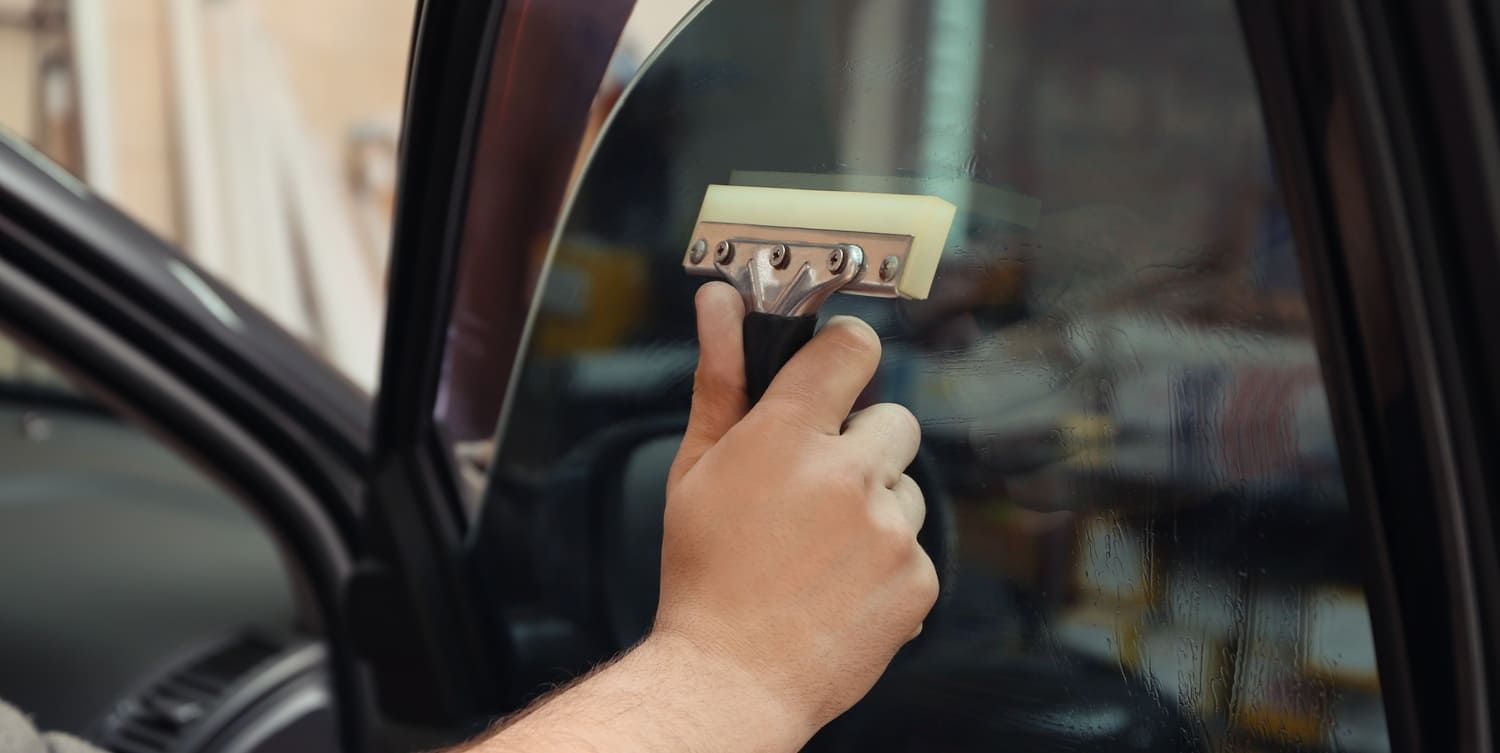
Give new film time to cure before cleaning the inside of the glass, avoid ammonia-based cleaners, and use a soft cloth. Small hazy spots right after installation are normal moisture that evaporates as the film cures.
LLumar Film Options for Windshields and Side Windows
ShadowFilms Window Tinting is a LLumar Window Films dealer, which gives Treasure Valley drivers access to a full lineup of automotive films. Here is how each fits into a windshield-friendly tint plan:
| LLumar Film | Construction | Heat Performance | Electronics Friendly | Best Use |
|---|---|---|---|---|
| IRX Series | Infrared-rejecting ceramic | LLumar's best heat rejection | Yes, clear and easy connectivity | Sun strip and side and rear windows for maximum comfort |
| CTX Series | Nano-ceramic | Superior heat rejection | Yes, metal-free | Sun strip and side and rear windows |
| AIR Series | Nearly clear nano-ceramic | Superior heat rejection with high visibility | Yes | Clear protection where darker film is not wanted or allowed |
| ATR Series | Metallized | Excellent heat reflection | Can affect signals in some vehicles | Side and rear windows only, not recommended for windshields |
| ATC Series | Premium dyed | Good heat rejection | Yes | Budget-friendly side and rear windows |
Every LLumar automotive film blocks more than 99% of UV rays and comes with a manufacturer's lifetime limited warranty, with certain restrictions. That warranty protects against color change, bubbling, and cracking for as long as you own your vehicle.
For most Nampa drivers, a winning combination is an IRX or CTX sun strip across the top of the windshield, with matching IRX or CTX ceramic film on the side and rear windows. Drivers who prefer a factory look can use AIR Series clear film to add heat and UV protection without darkening the glass.
Why Windshield Tint Matters in the Treasure Valley
Southwest Idaho may not have Florida's humidity, but it delivers plenty of sun. Summer afternoons regularly push well into the 90s, and the valley's elevation means UV exposure is stronger than many drivers expect. Winter brings a different challenge: low-angle sun reflecting off snow and wet roads creates intense glare during morning and evening commutes.
The right windshield and window film plan helps with:
- Cooler cabin temperatures after parking at work, school, or the Village at Meridian
- Less glare during sunrise and sunset drives on I-84, Highway 20/26, and Garrity Boulevard
- More than 99% UV protection for your skin and your dashboard
- Reduced fading and cracking on interior surfaces
- Less strain on your air conditioning during summer heat
Frequently Asked Questions About Windshield Tint
Is windshield tint legal in Idaho?
Yes, within limits. Idaho allows non-reflective tint above the manufacturer's AS-1 line or within the top 6 inches of the windshield. Tint below that line generally requires a medical exemption.
What is the best tint for a windshield?
A non-reflective ceramic film is the best choice for a windshield. Ceramic films reject heat without metal, so they stay non-reflective, preserve visibility, and will not interfere with electronics.
Can I put clear film on my whole windshield?
Clear ceramic films add UV protection and heat reduction without noticeable darkening. In Idaho, film below the AS-1 line is generally tied to a medical exemption that allows up to 75% light transmission on the windshield, so confirm eligibility before installation.
Will windshield tint affect my lane-assist camera?
It should not when installed correctly. A professional installer trims the film around camera housings and sensors so they have a clear view of the road.
Does a windshield sun strip really help with heat?
A sun strip mainly reduces glare from overhead and low-angle sun, which improves comfort and reduces eye strain. For overall heat reduction, combine it with ceramic film on the side and rear windows.
What happens to my windshield tint if the glass cracks?
If your windshield is replaced, the film is replaced along with it. A new sun strip can be installed on the replacement glass.
Is ceramic tint worth the extra cost?
For most drivers, yes. Ceramic tint offers the best heat rejection, more than 99% UV protection, and zero signal interference, making it a smart long-term investment.
Get Safe, Legal Windshield Tint From Nampa's Trusted LLumar Dealer
You do not have to choose between a cooler car and a safe, legal one. A ceramic windshield sun strip, high-performance ceramic film on the rest of your glass, and clear film where it is permitted give you real heat and glare control without visibility, legal, or electronics risk.
ShadowFilms Window Tinting is a local, family-owned business led by owner Ben Langehough, serving drivers throughout Nampa, Caldwell, Meridian, Middleton, Boise, Eagle, Kuna, and the surrounding Canyon County and Ada County areas. As a LLumar Window Films dealer, the team installs premium films backed by a manufacturer's lifetime limited warranty and takes the time to explain your options honestly so you get the right fit for your vehicle and budget.
Ready to beat the Treasure Valley sun?
Call ShadowFilms Window Tinting at (208) 999-5110, visit the shop at 2118 Cortland Pl in Nampa, or request a
free estimate online to find the best windshield tint option for your vehicle.