Is Windshield Tint Legal, and What’s Allowed?
Windshield tint laws are often misunderstood because drivers tend to mix together three different things: factory glass, aftermarket film, and the separate rules that apply to windshields versus side and rear windows. A film that looks “light” can still be illegal if it extends too far down the glass, sits in the wrong location, or is paired with another layer that pushes the visible light transmission below what the law allows. In the Treasure Valley, that confusion can quickly become expensive. A non compliant windshield tint may lead to a fix it ticket, a required removal, delays during a vehicle sale, and headaches if you need an inspection or verification for compliance. The good news is that most comfort and glare problems can be solved legally when you understand the Idaho requirements before you tint. This guide is written for vehicle owners in Nampa, ID and nearby communities who want clear, accurate direction so they can improve comfort, reduce glare, and add UV protection while staying compliant.
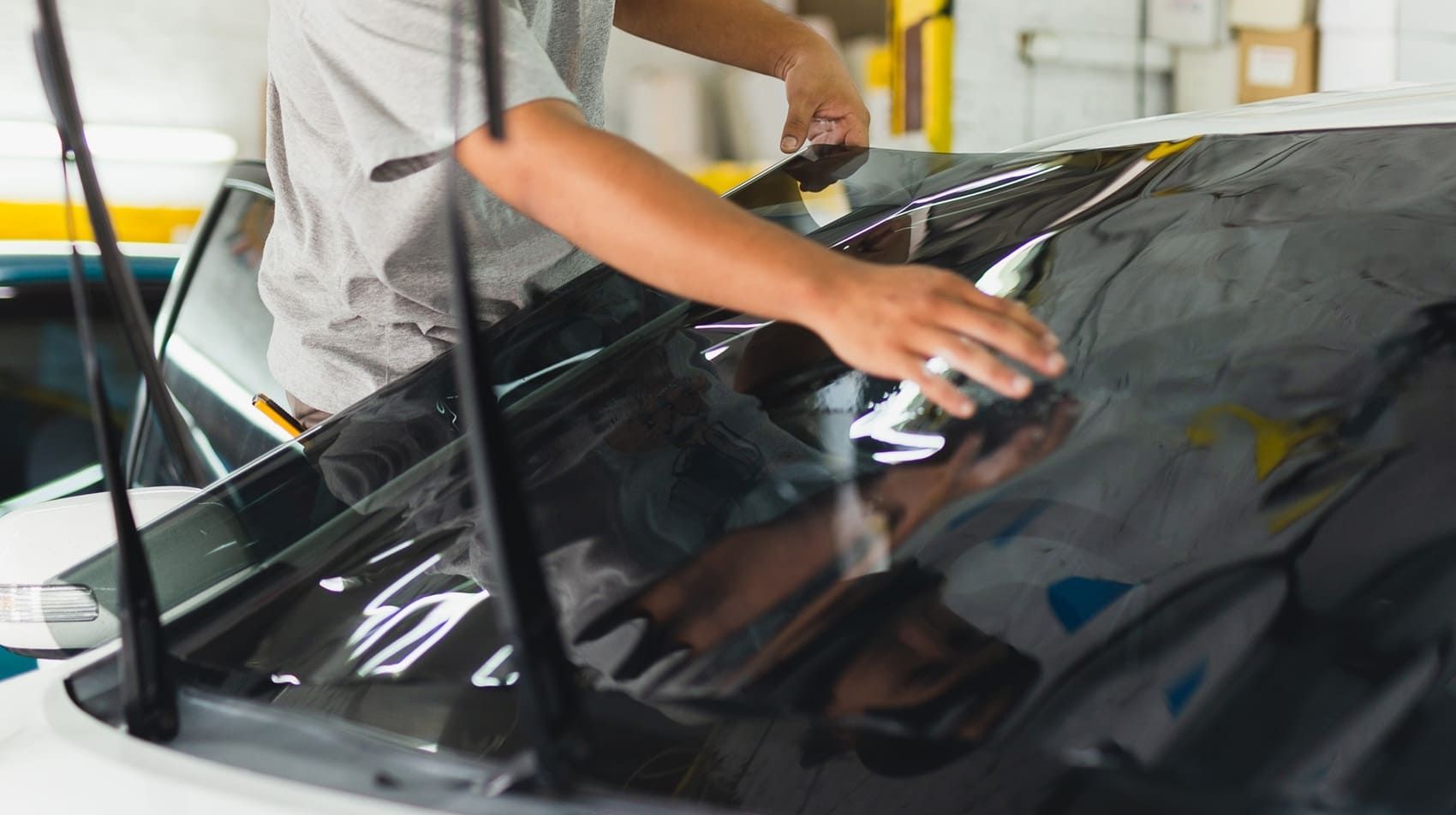
Table of Contents
- How windshield tint works, and why it differs
- Idaho windshield tint laws and requirements for 2026
- Tint strips, placement rules, and VLT basics
- Medical exemptions, documentation, and compliance
- How law enforcement measures windshield tint
- Common mistakes that lead to violations
- Choosing legal tint that still improves comfort
- FAQ: Windshield tint legality in Idaho
- Conclusion and next steps
1. How windshield tint works, and why it differs
Windshield tint is usually discussed as if it is the same as side window tint, but the windshield is treated differently for two practical reasons. First, it is the primary forward visibility surface, so states restrict what can be applied to it more tightly than to rear glass. Second, the windshield is also where many critical driving tasks happen. You are looking through it at night, during storms, and when glare is at its worst during low sun angles in the morning or evening. Even small changes in light transmission or haze can change how fast you detect hazards.
At a basic level, window film works by controlling how light and heat move through glass. Visible light transmission, often called VLT, refers to how much visible light passes through the glass and any film on it. Heat rejection depends on how the film handles infrared energy, while UV protection depends on how well it blocks ultraviolet radiation. Higher performing films can reject a meaningful amount of heat and block a large share of UV without needing to look dark. That is one reason many Idaho drivers ask, “is windshield tint legal” if they want protection without a dark appearance.
Windshields can also differ from side and rear windows because of factory components. Most modern windshields include a laminated construction with a plastic interlayer between two sheets of glass. Some also include factory shading at the top edge, camera and sensor areas, or embedded heating elements. These features influence how film can be installed and where it can be placed without interfering with safety systems. Film choices that are fine on a side window can create complications on a windshield if they overlap an ADAS camera zone or distort clarity.
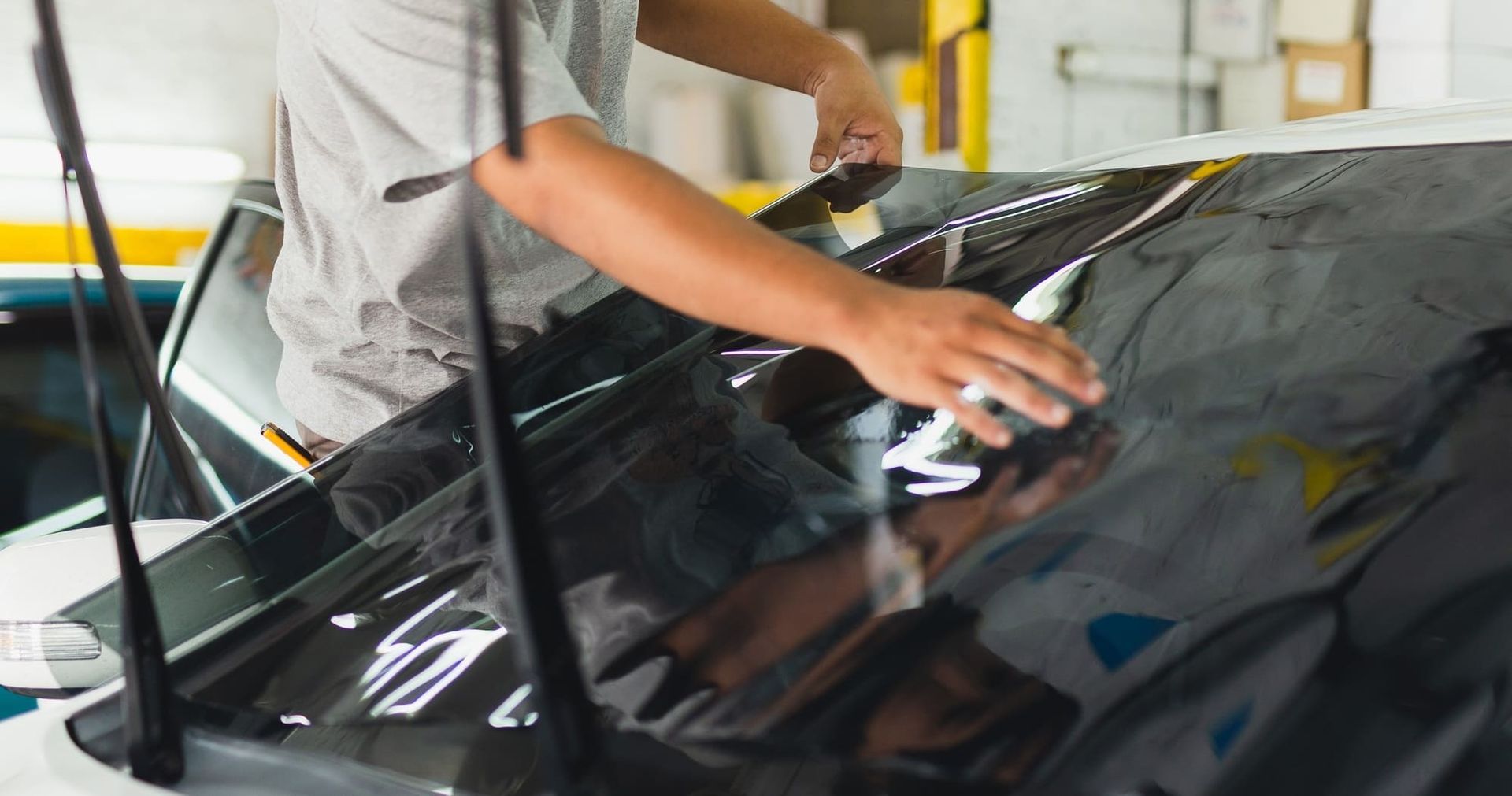
There are also different kinds of “windshield tint” people refer to. Some mean a sun strip, also called a tint strip, installed at the top of the windshield. Others mean a clear or very light film applied to the full windshield for UV and glare reduction. Idaho windshield tint laws primarily focus on where tint is placed on the windshield and how low it can extend, as well as general visibility and obstruction rules.
2. Idaho windshield tint laws and requirements for 2026
Idaho windshield tint laws are designed to reduce the risk of impaired visibility while still allowing limited shading at the top portion of the windshield. For drivers in Nampa, ID, the key concept is that the windshield has stricter limits than the side and rear glass. If your goal is comfort and glare reduction, you want to choose a legal approach, document it, and ensure the finished installation stays within the permitted area.
Important note: Laws and enforcement practices can change, and different vehicle classes can have different rules. This article is educational, not legal advice. If you are unsure about a specific vehicle, exemption, or equipment setup, confirm details with the applicable Idaho statutes or a local professional before installation.
In practical terms, most compliance decisions for the windshield come down to these questions:
- Is the tint only in the allowed top area, or does it extend below the legal limit?
- Does the film create any hazing, reflectivity, or obstruction that interferes with visibility?
- Does the installation avoid covering camera, sensor, or VIN areas that must remain visible?
- If a medical exemption is claimed, does the driver have correct documentation?
Because the windshield is the forward visibility area, enforcement can be stricter than on side windows. Even if a darker look is popular on social media, it is not a good match for compliance. If you are searching for “windshield tint legal Idaho” you are likely trying to avoid the common cycle of install, ticket, and removal.
| Windshield area | Typical legal approach in Idaho | Common compliance risk |
|---|---|---|
| Top portion (sun strip) | Allowed within the legal top limit | Strip extends too far downward |
| Full windshield film | Must comply with obstruction rules and any applicable limits | Film appears dark, creates haze, or is treated as illegal |
| Camera and sensor zones | Keep clear or use approved film methods | ADAS errors or visibility concerns |
3. Tint strips, placement rules, and VLT basics
The most common legal windshield tint option is the tint strip at the top of the windshield. This is sometimes called an eyebrow, sun strip, or visor strip. The purpose is straightforward: reduce high angle sun glare, especially during morning and evening commutes through Canyon County and Ada County.
The compliance issue is also straightforward. A strip can become illegal if it extends too far down into the driver’s primary viewing area. When drivers ask “is windshield tint legal” they often mean, “how big can the strip be?” and “how is it measured?” Measurements are typically taken from the top edge of the windshield glass downward. If your windshield already has a factory tinted band at the top, it is still important to confirm how an added strip interacts with that band. Stacking shading can create a darker area than intended.
VLT basics: Visible light transmission is a percentage. A higher number means more light passes through. A lower number means it is darker. Windshield VLT questions often cause confusion because drivers may think a clear film has “no tint.” In reality, even clear films have a measurable VLT, and the combined VLT is what matters if multiple layers or factory shading are present.
| Glass or film type | How it looks | Primary benefit | Common compliance tip |
|---|---|---|---|
| Factory windshield glass | Usually clear, may have top shade band | Structural safety, basic UV filtering varies | Know if a factory band exists before adding a strip |
| Clear heat rejecting film | Looks nearly clear | UV and some heat rejection | Choose reputable film with high optical clarity |
| Traditional dyed film | Darker appearance | Glare reduction | Riskier on windshields due to visibility concerns |
| Ceramic film | Can be clear or light | Strong heat rejection with clarity | Often preferred when staying light and compliant |
For Idaho drivers, the safest strategy is to treat the windshield as a compliance first surface. If your main goal is heat and UV protection, a premium product approach can often achieve comfort without adding a dark look. This is one reason many professional shops recommend higher performing films, including LLumar auto window tint options, when a customer wants comfort while staying within practical legal limits.
4. Medical exemptions, documentation, and compliance
Medical exemptions are one of the most misunderstood parts of Idaho windshield tint laws. Drivers often hear that an exemption makes any tint legal, but exemptions are usually specific. They often require documentation, may apply only to certain windows, and may be tied to a medical need such as photosensitivity. Even when a medical exemption exists, visibility and obstruction rules still matter. A film that creates unsafe visibility at night can still cause problems.
If you believe you qualify for a medical exemption, treat the documentation as part of your compliance plan. Ask what paperwork must be carried in the vehicle, whether the exemption needs to be renewed, and whether a physician statement is required. Also ask whether the exemption is linked to specific VLT levels or specific windows. Your goal is to make the compliance story simple if you are ever stopped.
For local drivers, the most practical approach is to talk with a reputable installer who understands how film choices map to comfort goals. If your goal is glare reduction for a medical reason, you may not need a dark windshield. A clear or very light film plus a legal strip can often improve comfort while staying closer to standard compliance expectations.
- Keep paperwork accessible: Store it where you can quickly present it during a stop.
- Match the film to the exemption: Install only what the documentation supports.
- Prioritize clarity: Windshield film quality matters more than on rear glass.
5. How law enforcement measures windshield tint
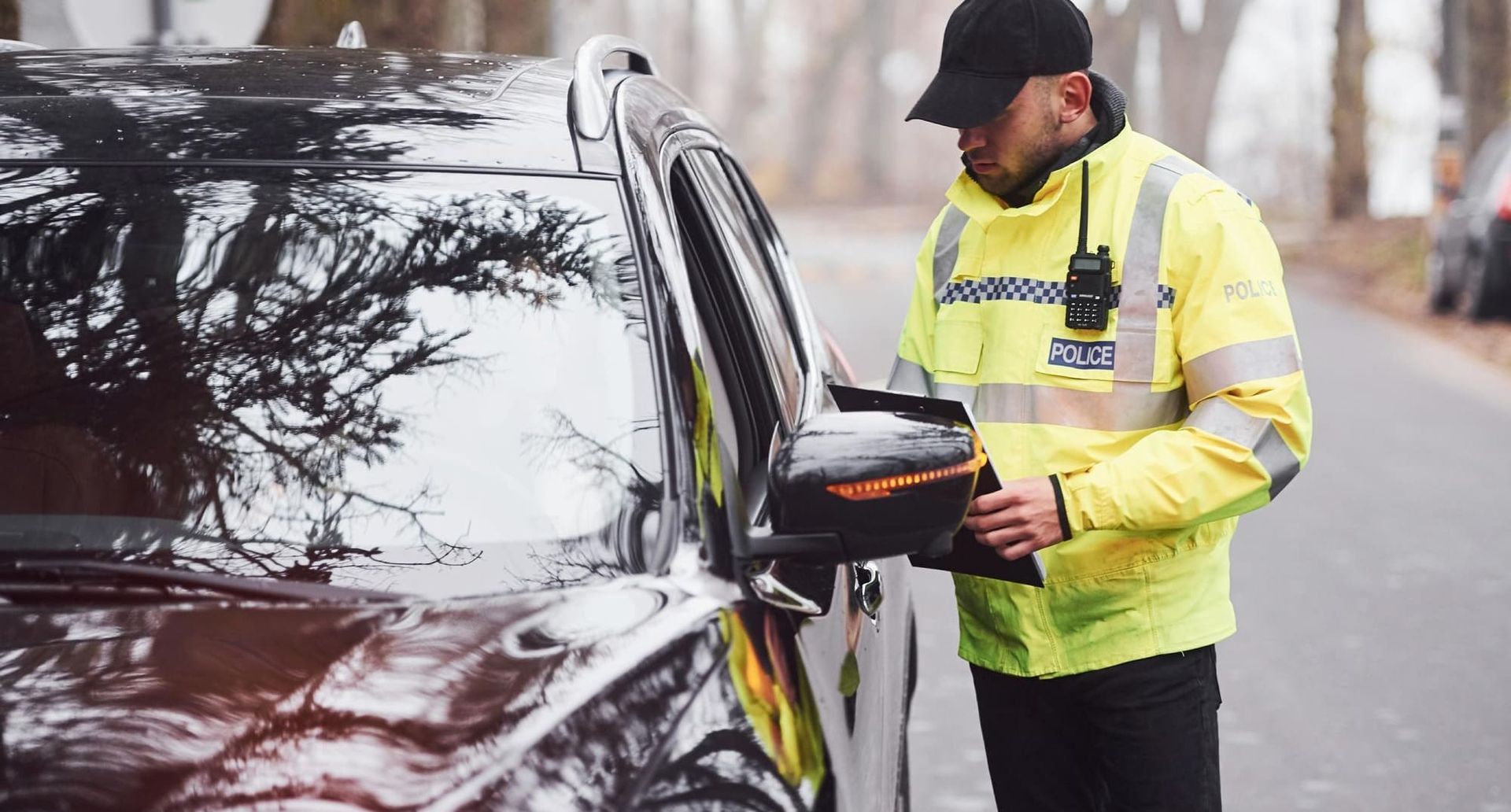
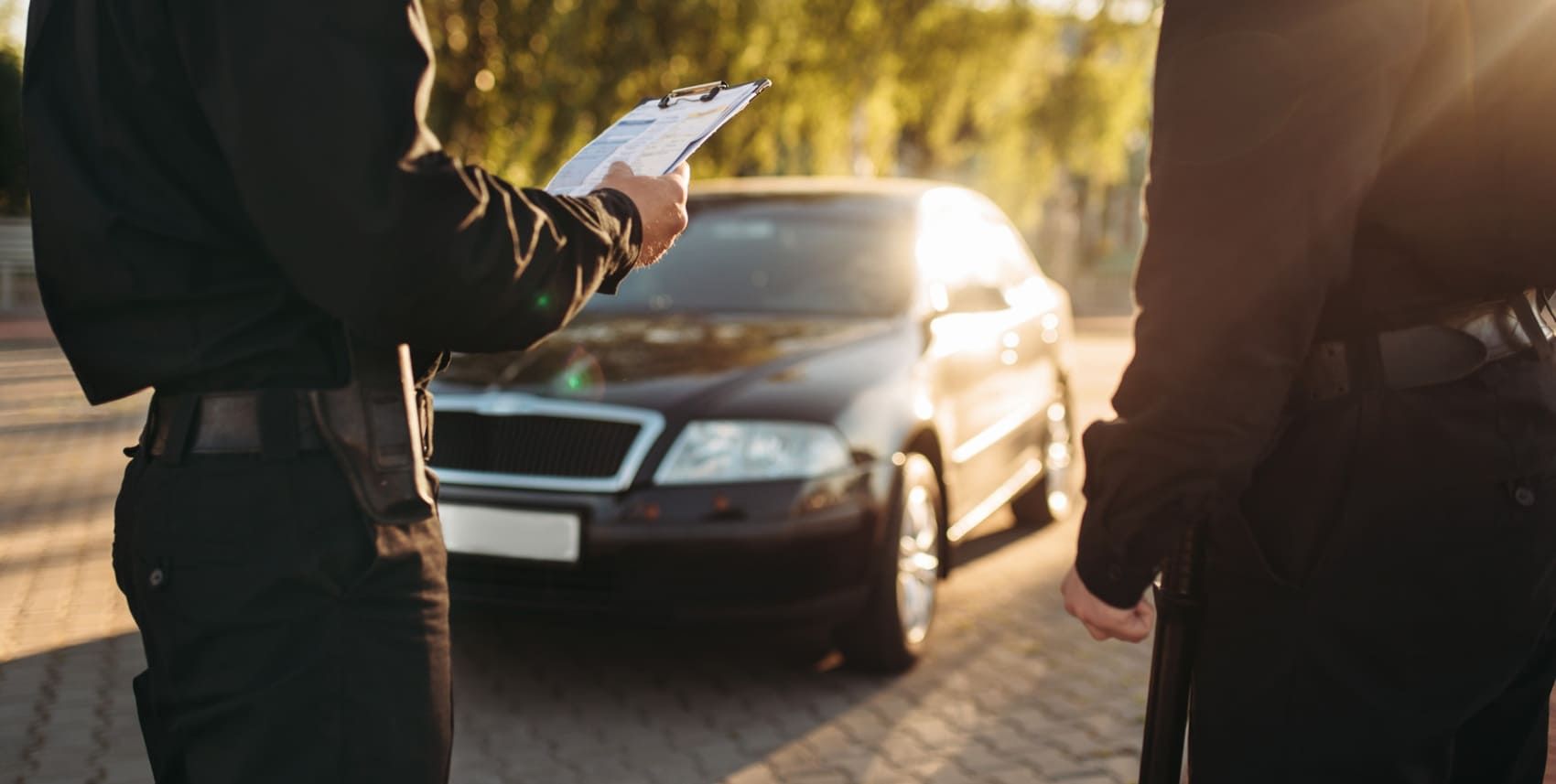
Many drivers worry about what happens during a traffic stop if an officer suspects illegal tint. Understanding the process helps reduce anxiety and helps you stay prepared. Officers may rely on visual cues first. If the tint looks dark or extends into the driver’s field of view, it draws attention. For windshields, placement is often just as important as darkness. A strip that goes too far down can be noticeable even if it is not extremely dark.
When measurement tools are used, officers commonly use a tint meter that measures visible light transmission through the glass and film. Some devices clamp onto the window to measure how much light passes through. Windshield measurement can be more complicated than side windows due to curvature and access. In some cases, the issue may be handled as an equipment or obstruction concern rather than a VLT number. That is why choosing a compliant placement strategy is so important.
If you are stopped, expect questions like these:
- Is the film aftermarket or factory?
- Was it installed professionally?
- Does it have a medical exemption?
- Can you show documentation if applicable?
Even if you believe your tint is legal, it helps to be calm and respectful. If the stop results in a warning or fix it ticket, you will want a clear plan. A professional installer can inspect the windshield, confirm what was installed, and recommend adjustments that preserve comfort while addressing compliance.
6. Common windshield tint mistakes that lead to violations
Windshield tint violations usually happen because of a small number of avoidable mistakes. In Nampa and the surrounding areas, the most common problems include choosing a film that is too dark, placing a strip too low, stacking layers without realizing the combined effect, or installing low quality film that creates haze and distortion.
Here are common issues to avoid:
- Oversized tint strip: The strip extends farther down than allowed. This is one of the most visible violations.
- Dark full windshield film: Even if it feels comfortable, it can be treated as illegal and can reduce night visibility.
- Ignoring factory shading: A factory top band plus an added strip can create an overly dark area.
- Cheap film haze: Low quality film can look “milky” or create glare at night from headlights.
- Covering sensor areas: Film placed over camera modules can interfere with ADAS features.
- No documentation for exemptions: If an exemption applies, not having paperwork makes compliance harder.
If your goal is comfort, a violation is the opposite of what you want. Removal costs money, and it wastes time. It can also create a cycle where you keep trying different setups without a plan. The best approach is to choose compliant options first and use quality products designed to deliver glare reduction and UV protection without relying on darkness.
7. Choosing legal tint that still improves comfort
The best legal windshield strategy for many Idaho drivers is to define the comfort problem first, then match the solution to legal placement and high clarity film. Do you want less glare during low sun? A legal tint strip can help. Do you want less heat and better UV protection year round? A premium, high clarity film can help. Are you dealing with headaches or eye strain? Consider a combination of a legal strip, quality sunglasses, and a film choice that maintains night visibility.
High performance films can deliver meaningful comfort even when they look light. This is where product selection matters. ShadowFilms Window Tinting in Nampa, ID installs LLumar Auto Window Tinting products designed to meet legal standards while still delivering strong UV protection and glare reduction. When the goal is compliance, the difference between a premium film and a bargain film is often seen at night and in long term durability.
| Driver goal | Compliant approach | Why it works |
|---|---|---|
| Reduce sun glare | Legal top strip plus high clarity film choices | Targets glare without darkening the whole view |
| Reduce heat | High performance film focused on IR rejection | Comfort improves without needing a dark look |
| Increase UV protection | Premium film with strong UV blocking | Helps protect skin and interior materials |
| Stay fully compliant | Measure and document placement before install | Reduces risk of strip being too low |
Keyword tip for research: When evaluating installers, search terms like “Nampa ID window tint” and ask direct questions about windshield compliance. A reputable shop should be comfortable explaining windshield placement rules, film clarity, and how the finished result will help you remain compliant.
FAQ: Windshield tint legality in Idaho
Is windshield tint legal in Idaho?
It can be legal when it follows Idaho windshield tint laws for placement and does not create an unsafe obstruction. Most drivers use a legal top tint strip rather than dark full windshield film.
Is clear windshield tint legal in Idaho?
Clear films can still be regulated based on placement and whether they are considered an obstruction. High clarity films may improve UV protection without looking dark, but you should confirm the installation approach is compliant.
How are tint strips measured on a windshield?
Tint strips are typically measured from the top edge of the windshield downward. A strip that extends too far down is a common reason for violations.
Does factory tinted glass count as tint?
Factory glass and factory top bands can affect how dark the windshield looks in a specific area. When you add film, the combined effect matters for visibility and compliance.
Will windshield tint affect night driving?
Dark or low quality film can reduce visibility and increase headlight glare. If night visibility is a priority, choose high clarity film and keep any shading in a legal top strip zone.
Can I tint over a factory shade band?
You can, but it can create an overly dark area. A professional installer can help you avoid stacking that pushes the look too far.
How does law enforcement test tint?
Officers may rely on visual assessment, placement concerns, or tint meters that measure visible light transmission. Windshield enforcement often focuses on strip size and obstruction issues.
Are medical exemptions available for windshield tint?
Medical exemptions can exist, but they require proper documentation and may be limited. Even with an exemption, visibility and safety expectations still apply.
Does LLumar auto window tint work for windshields?
LLumar offers film options designed for performance and clarity. A professional can recommend compliant options that improve comfort and UV protection.
How do I stay compliant over time?
Avoid adding extra layers, keep documentation for exemptions, and re check any changes such as windshield replacement. After a replacement, previous film choices may need to be re evaluated to stay legal.
Conclusion and CTA
So, is windshield tint legal in Idaho? It can be, but only when it follows the rules for placement, avoids obstructing the driver’s view, and maintains clear visibility for day and night driving. For most drivers in Nampa, ID and the surrounding areas, the safest path is a properly sized, legally placed tint strip combined with a high clarity film strategy that focuses on glare reduction, heat management, and UV protection without going too dark.
If you want help selecting a compliant solution, ShadowFilms Window Tinting can guide you through Idaho windshield tint laws, recommend legal options, and install LLumar Auto Window Tinting products built to meet legal standards while improving comfort and driving safety. Contact ShadowFilms Window Tinting in Nampa, ID to get expert guidance and a free estimate for legal windshield tint solutions.